
Find us on campus
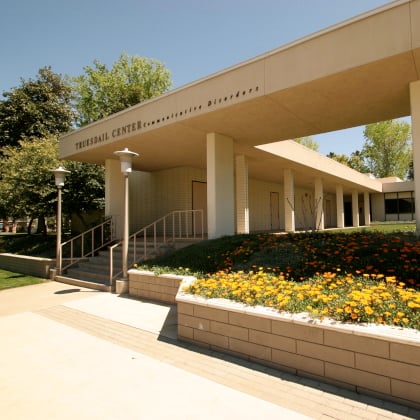
Truesdail Center


The Bachelor of Arts in Communication Sciences and Disorders (CDIS) promotes the study of the science and practice of human communication in the context of a liberal arts education.
Bachelor of Arts
Undergraduate, Major, Minor
On Campus
The Bachelor of Arts in Communication Sciences and Disorders (CDIS) qualifies students for the field of treating and caring for patients with communication disorders. At Redlands, this program specifically explores the complexities and science of how people communicate. Through this pre-professional undergraduate degree, you'll prepare to continue seamlessly into a graduate degree in speech-language pathology or audiology.
The Department of Communication Sciences and Disorders at Redlands is nationally recognized with an over 50-year legacy of excellence in academic rigor, and personalized and student-centered education. Faculty instructors and advisors are experts in their field both clinically and academically. At Redlands you'll learn in a connected, collaborative cohort of students.
Our CDIS program integrates the foundational science of speech, language, and hearing with the crucial liberal arts skills of critical inquiry, analytical problem-solving, and compassionate perspective-taking, all skills essential for personal and professional success. The Department of Communication Sciences and Disorders (CDIS) undergraduate curriculum provides students with a foundation for various career pathways. Application to graduate programs in the senior year is one pathway. Other pathways beyond the BA in Communication Sciences and Disorders include, but are not limited to, the following: Speech-Language Pathology Assistant (SLPA), Behavioral Interventionist, Educational Specialist, bilingual interpreter/translator, as well as other medical and educational professions.
The major easily accommodates 4-year students and transfer students. A minimum of four semesters are required to complete the 39-40 credit Communication Sciences and Disorders major. The required courses are listed below.
Learn more about program requirements and course descriptions in the current university catalog.
Students with a minor in CDIS will study the communication process and are introduced to speech, language, and hearing science, development, and disorders. Interest in the topic of human communication and communication impairments can complement many majors. People interested in education or healthcare may work with people with communication disorders.
Early Action 1: November 1
Early Action 2: December 1
Regular Decision: January 15*
Truesdail Center

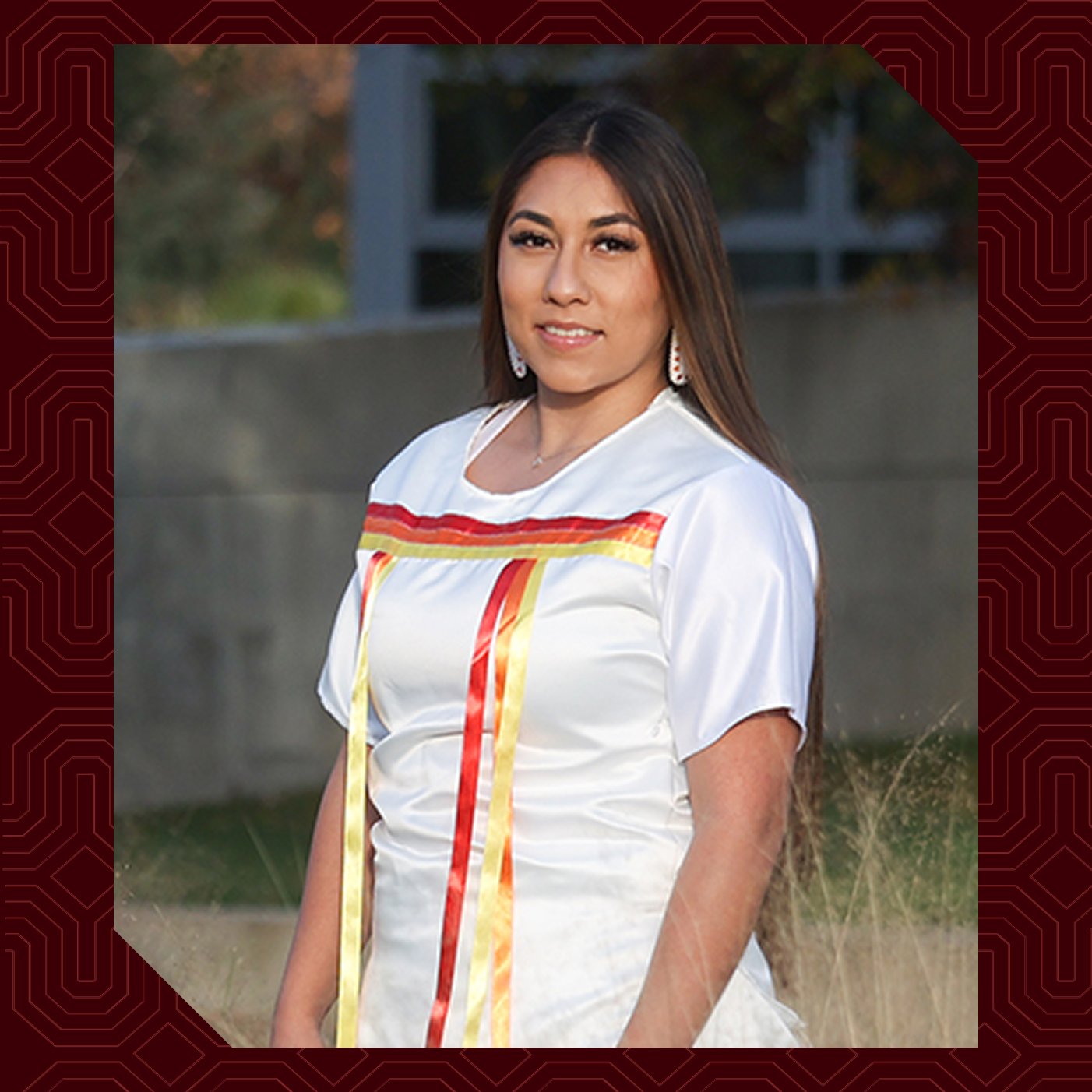
— Rebecca Aguirre ’23, BA Communication Sciences and Disorders

The department houses the Truesdail Center Clinic. Truesdail Center is a not-for-profit clinic setting which provides speech-language-hearing services for infants through adults. Offering 10 specialty clinics, the clinic serves people of all ages who have a variety of different types of communication disorders (e.g., aphasia, hearing impairments, language disorders, speech sound disorders, stuttering).
The program integrates cultural and linguistic diversity throughout the curriculum. The CDIS faculty represent a diverse range of clinical skills and areas of study. Many of the faculty are bilingual which informs their teaching and research.
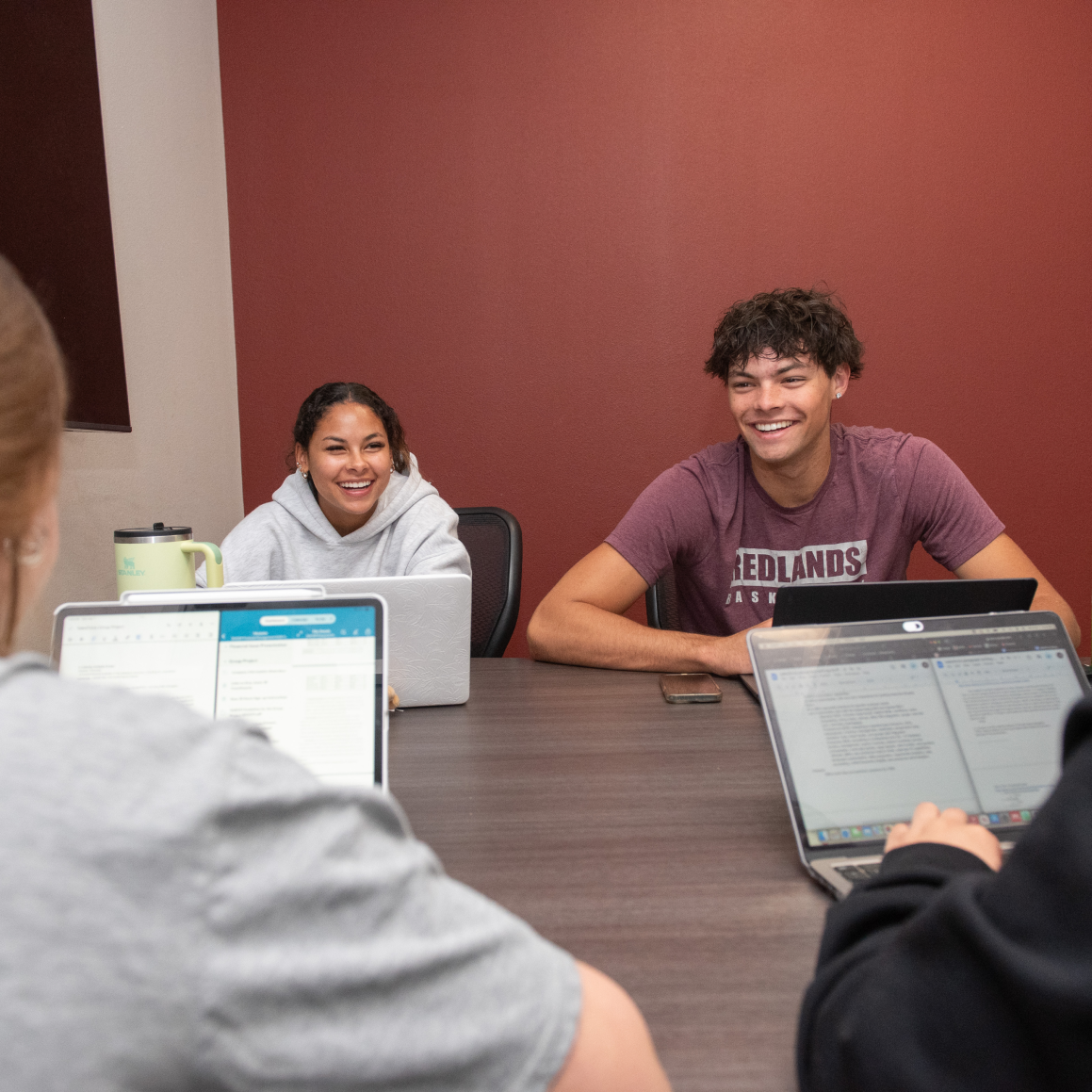
At Redlands, our students’ success is at the heart of everything we do. We offer experiential learning opportunities, but our CORE Four initiative takes that commitment to a deeper, intentional level. More than a set of experiences, the CORE Four is a framework for transformation. Learn more about how students can prepare for their academic journey.
Every Redlands faculty member is an active practitioner in their field. The classes they teach emerge from their unique research and practices, and they’re passionate about what they’re sharing.

Get in touch with our admissions team.