

Frequently Asked Questions (FAQs)
Got questions about FYJ? We have answers! Review the frequently asked questions below. We are also available to connect through our webinars, via email, or set up an appointment with FYJ Staff through Navigate.
Locations, Amenities and Activities
FYJ and Outdoor Programs trips take place all over the Southwest. Trips are primarily in California, but may also be in Utah, Nevada or Arizona, depending on the year and conditions. Check out our trip descriptions page for current locations.
Depends on the trip. We offer three distinct types of journeys – Wilderness Track, Camping Track, and Indoor Programs. For both the Wilderness and Camping Track, you will be sleeping in tents, on sleeping pads, on the ground. Wilderness Trips take place away from vehicles, established campgrounds and typical facilities, sleeping in wilderness areas of public lands. Camping Trips will have access to water, toilets, and vans where folks will sleep in tents on established campsites, typically around other visitors. For Indoor Programs Trips, you will be staying in a house, with showers, bathrooms, and a bed, and will share a room with other participants (possibly co-ed lodgings).
It depends on the trip and the creativity of your leaders! All meals and snacks are included in the cost of your trip and will be provided by your Trip Leaders. Cooking and eating together is an important part of your trip, so meals are communal. We’ll consider meal preferences and prioritize allergies and dietary needs for each trip when creating the meal plan. Most food is simple and nutritious, made by and with the group. If you or your student has individual dietary needs, let’s talk – we’ll make sure they’re well supported.
This depends on the type of trip. On Wilderness Track trips, folks often spend much of the day hiking along a trail, typically unpaved, carrying a heavy backpack into wilderness areas. These trips may hike as far as 10 miles in a day, including going up or down 2,000 vertical feet or more. Some confidence in physical fitness is recommended, but no experience with backpacking is required.
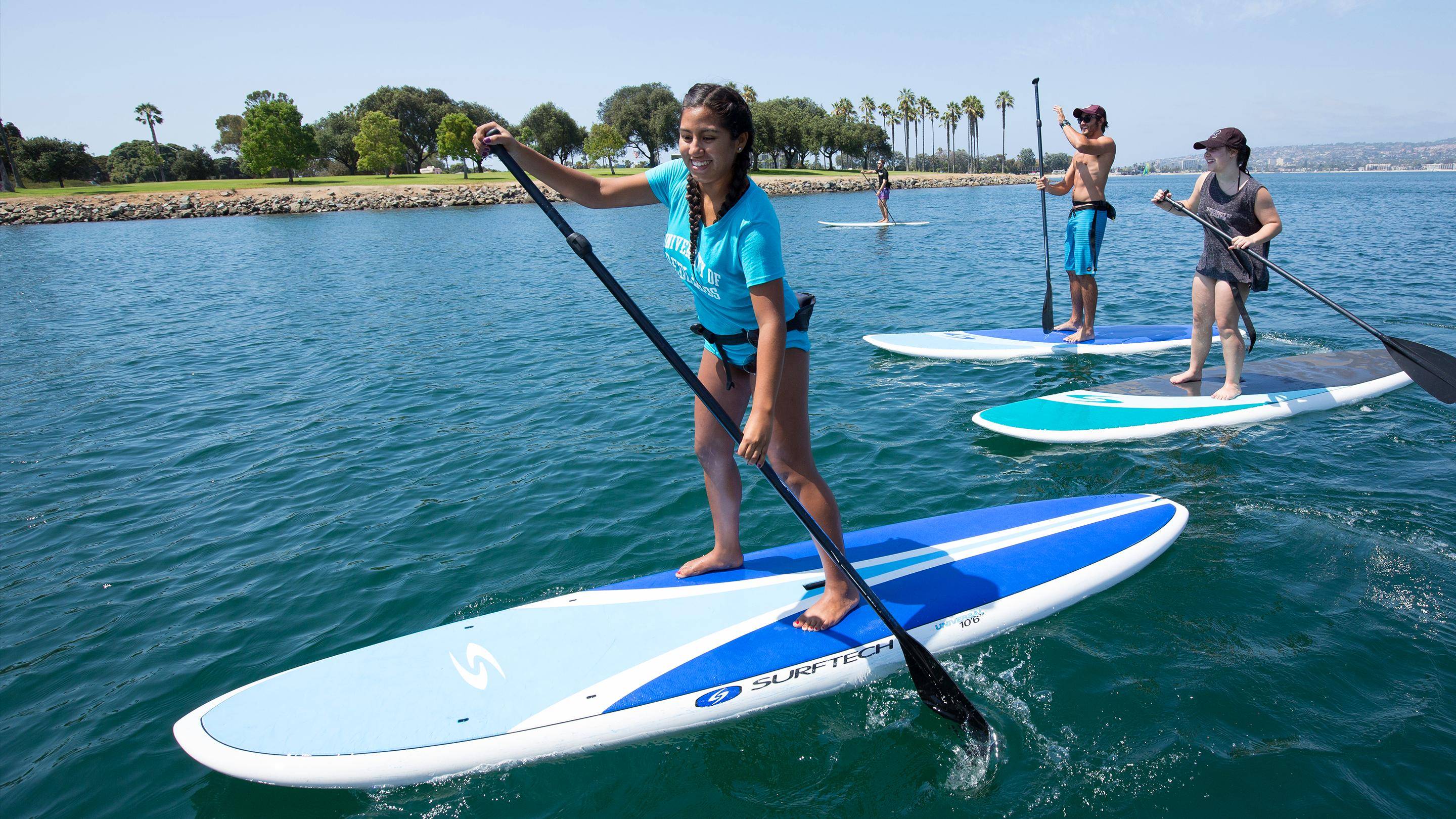
Our Camping Track Trips offer a wide range of activities with some involving lots walking on unpaved trails, with light backpacks (like you’d bring to school), while others offer a much more lowkey experience, with minimal hiking. These trips also typically feature an activity of some sort – surfing, sea kayaking, canyoneering/rappelling or similar. Double check the specific trip itinerary and trip classification for the trips you’re interested in for more insight.
Indoor Programs will have some long days, but will typically be walking on relatively flat, gentler terrain with a greater focus on community building than thrill seeking.
This depends on your trip. Our group limits are dependent on the number of people who are allowed to camp in our various campsites. Smaller FYJ groups will be 8 incoming students plus 2 Trip Leaders and larger FYJ groups might be 14 students with 2 Trip Leaders. Ultimately, our groups never get bigger than 16 total people.
As a part of the FYJ registration, we’ll ask specific questions about your physical abilities, what you’re interested in trying, and what you’d like to avoid. We’ll also reach out to you to chat over the Summer, and we’ll place you on a trip where you’ll be appropriately challenged yet supported.
Health and Safety
There is always some risk inherent in travel and doing things outside. Risk management is central to our program and the training we provide our trip leaders. All trips will have one or more Wilderness First Responders (an advanced medical certification), and all leaders have received training on mental health first aid, van driving, judgment and decision making and risk management. All leaders have been through a semester long training process where they’ve spent time in the field in both training and leadership capacities.
Wildlife can be present at many trip locations, and while uncommon, bear sightings have occurred. However, our trip leaders are trained in strategies to keep wildlife at bay and will use proper food storage techniques. Bears are not interested in people (they’re typically very scared of humans) but love people food. When food is locked up, they stay away.
It seems like FYJ could be hard, and maybe scary. We’re glad you’re here! This program is developed around building community through new, shared experiences. All trips are designed with beginners in mind, and previous experience is not required. That said, trips can be challenging in different ways for different people, which adds to the richness of the experience and the connections that are made along the way. We’re here to support you through challenges.
Often, yes. Particularly on wilderness-based trips, cell phone reception can be spotty or non-existent, but we’ll have an emergency plan in place for those itineraries, which may include a satellite phone when appropriate. Participants will be asked to limit screen time while on the trip – as the point is to grow connections with others.
Program Eligibility
Any incoming first year or incoming transfer student can attend FYJ.
Due to early arrival and schedule conflicts, those student-athletes on the cross country, football, men’s water polo, women’s volleyball, men’s soccer, or women’s soccer teams MAY NOT participate in FYJ. All other student-athletes are welcome and encouraged to participate.
It depends. For 2026, it ranges from $500 to $0. As an optional pre-orientation program, FYJ is not part of student tuition and paid for separately. Each student’s trip fee will be based on their financial aid package, (FASFA and SAI (Student Aid Index)), and qualifying students will automatically receive a full or partial fee waiver, depending on their individual financial situation. No applications or scholarship forms required; we pull that information on your behalf. Most students receive a fee waiver of some sort, with many students attending for zero cost.
The FYJ fee includes everything you’ll need during the program, including any gear rentals, food, and accommodations for on campus days before New Student Orientation starts. Each participant will receive their fee information with trip assignments throughout Summer (at the latest in July), along with options for additional financial support if needed.
Parents and Families/Necessities
That’s entirely up to you. Here are your options:
Option 1: If you live close enough and can manage several days on campus, you could attend both FYJ Move-In Day and NSO.
Option 2: Choose one event. You can either come for FYJ Move-In or for NSO after FYJ concludes.
Consider what would best support your student and fits your schedule. FYJ Move-In Day tends to be less chaotic with fewer people moving in, allowing for a relaxed lunch or dinner with your student. There will be a brief parent/guardian info session during FYJ move-in day. A great opportunity to ask any final clarifying questions.
For each trip, you’ll be sent a “packlist” customized for your specific itinerary. The list considers anticipated weather, location and activities.
Many items, particularly outdoor equipment, are available through our rental shop. The packing list will include instructions on how and what can be reserved.
Don’t fret. You’ll be able to rent important specialized items (like a waterproof rain jacket). You won’t need to go spend hundreds of dollars on “outdoor gear,” for most trips a few layers to keep warm and some sturdy walking shoes is all you’ll need. Refer to your packlist, and if you have questions – we’re here to help.
This is likely! Most trips will spend most, if not all time outside, so it is important to only bring clothes you’re comfortable with getting a little grubby. 😊