




Tree Species
Learn about different species available through Treestock.
Full-grown examples
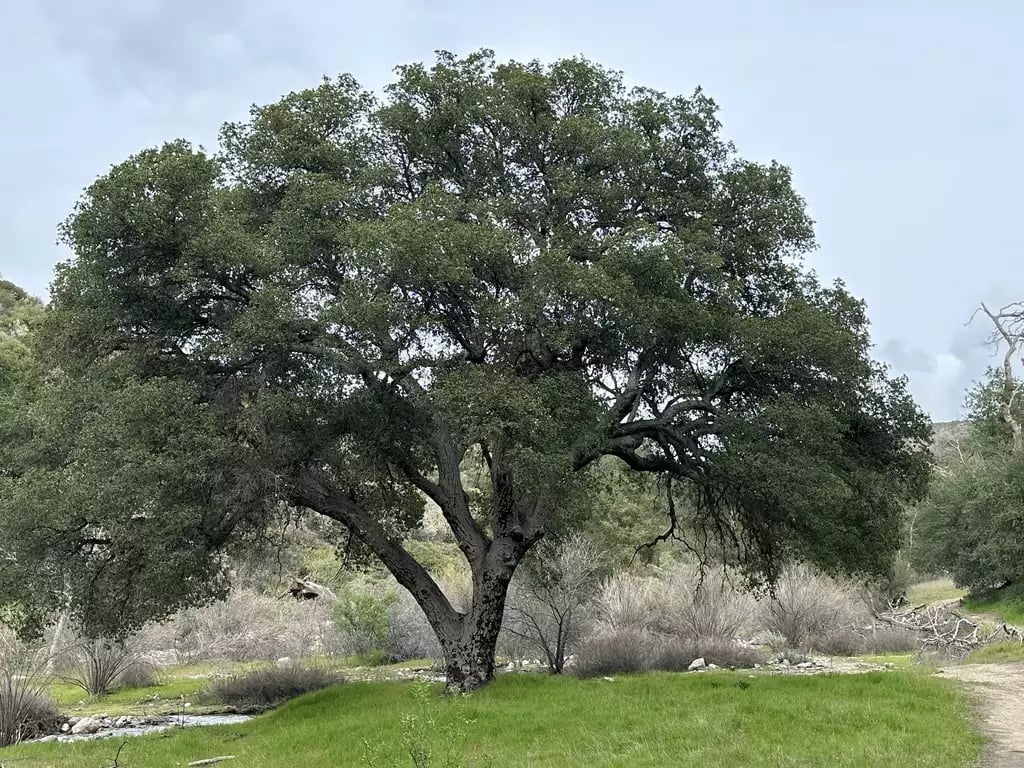
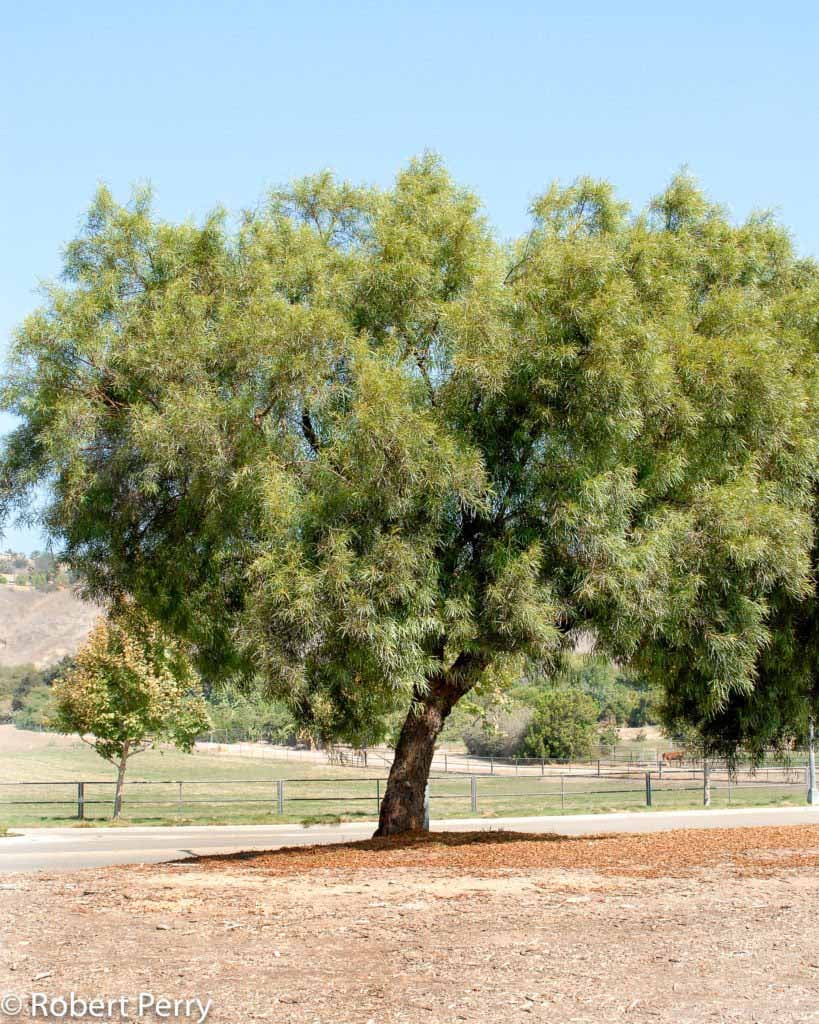
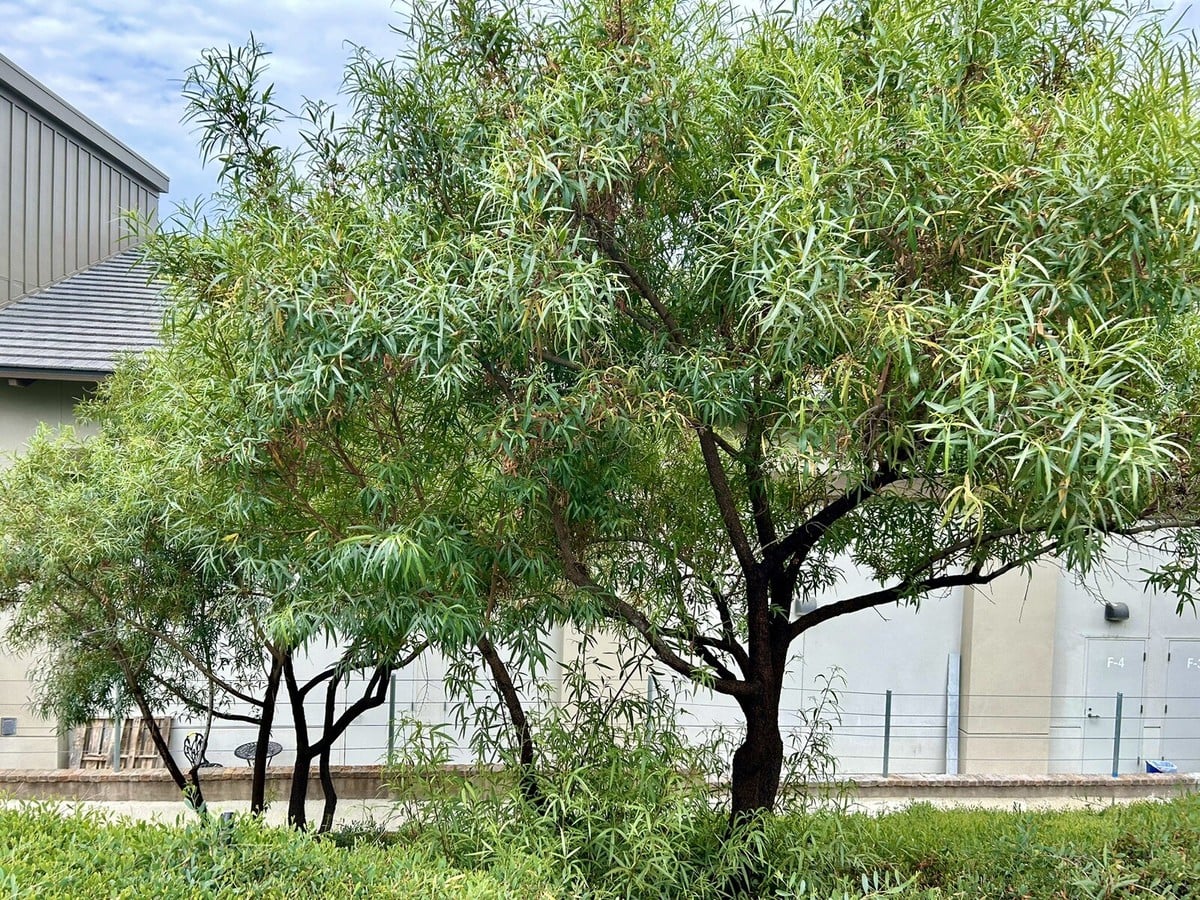
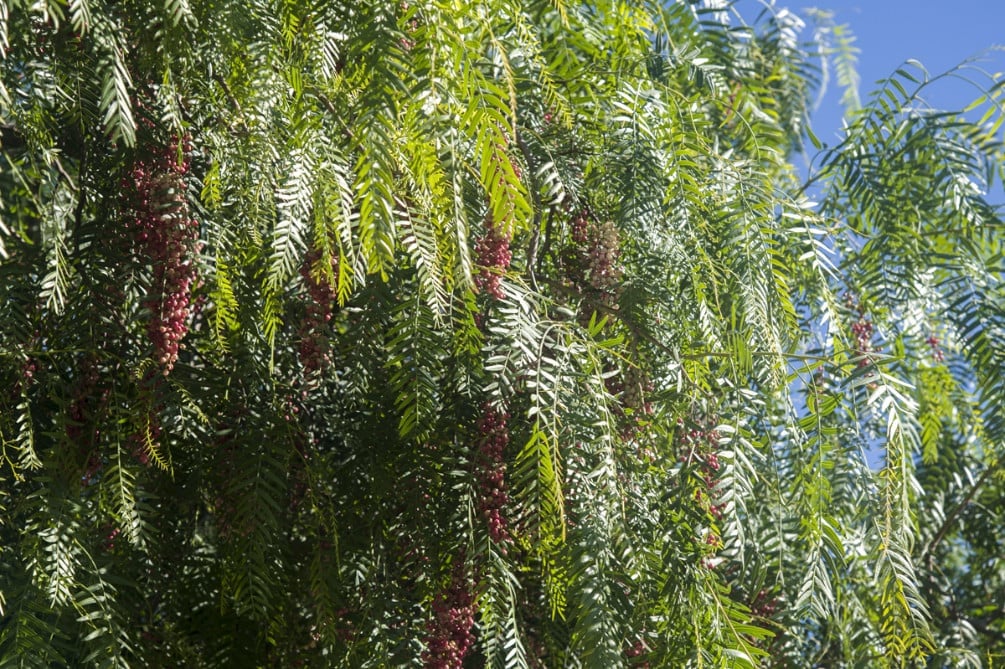
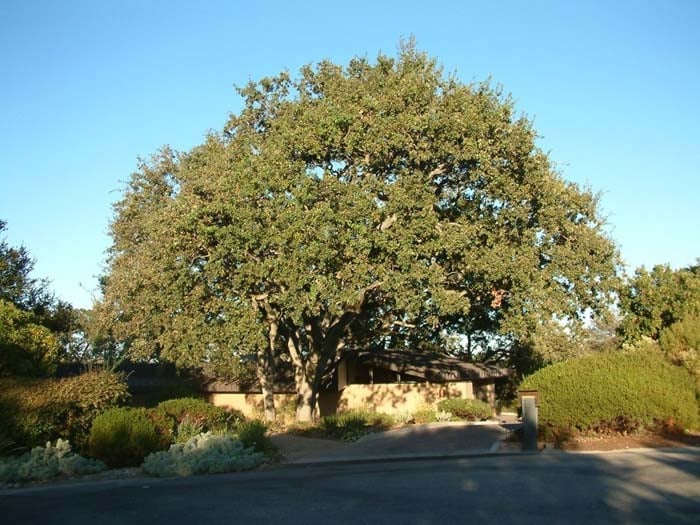
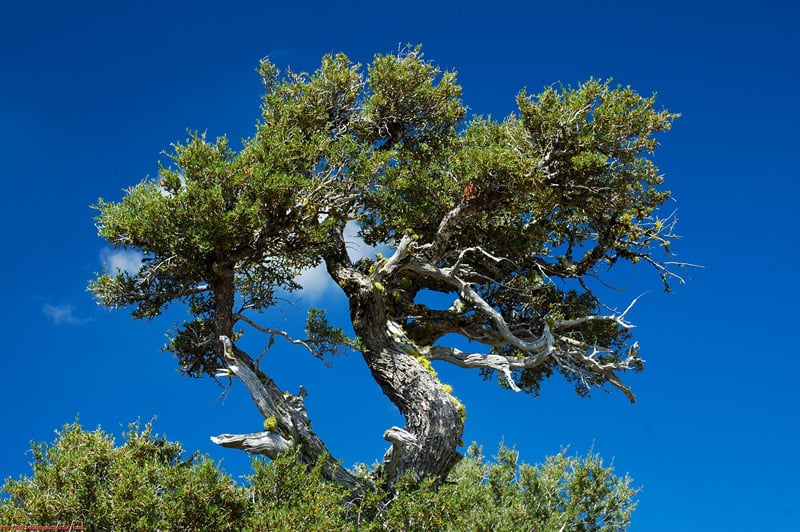
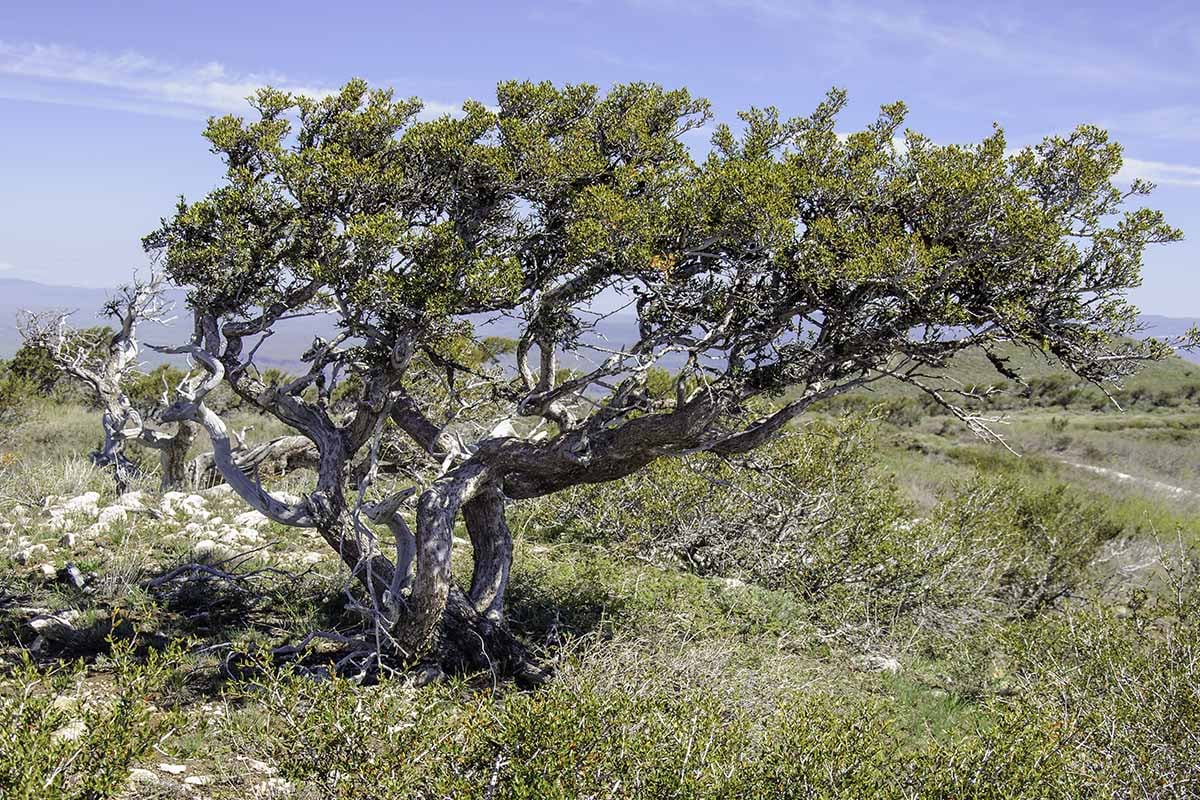
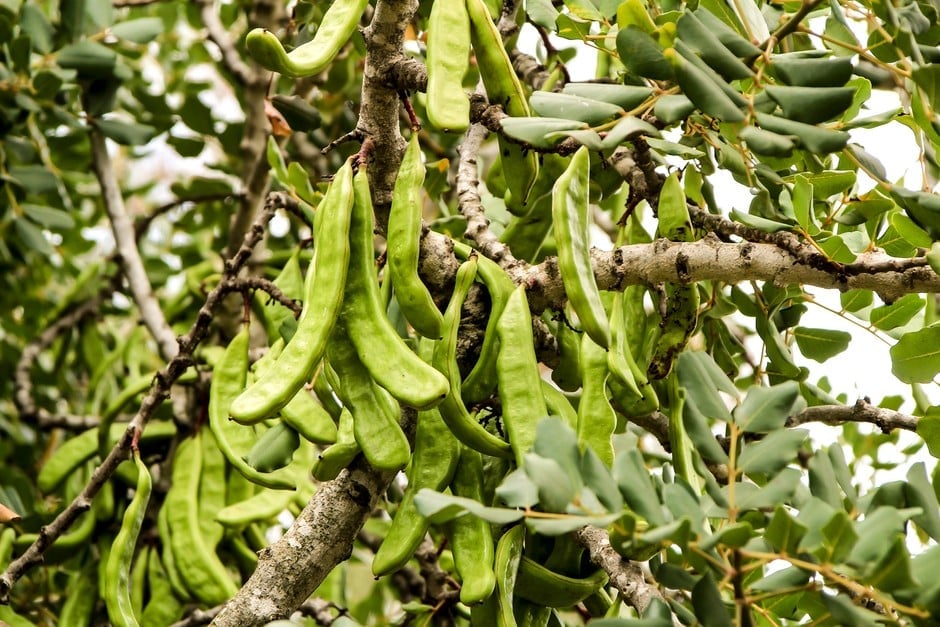
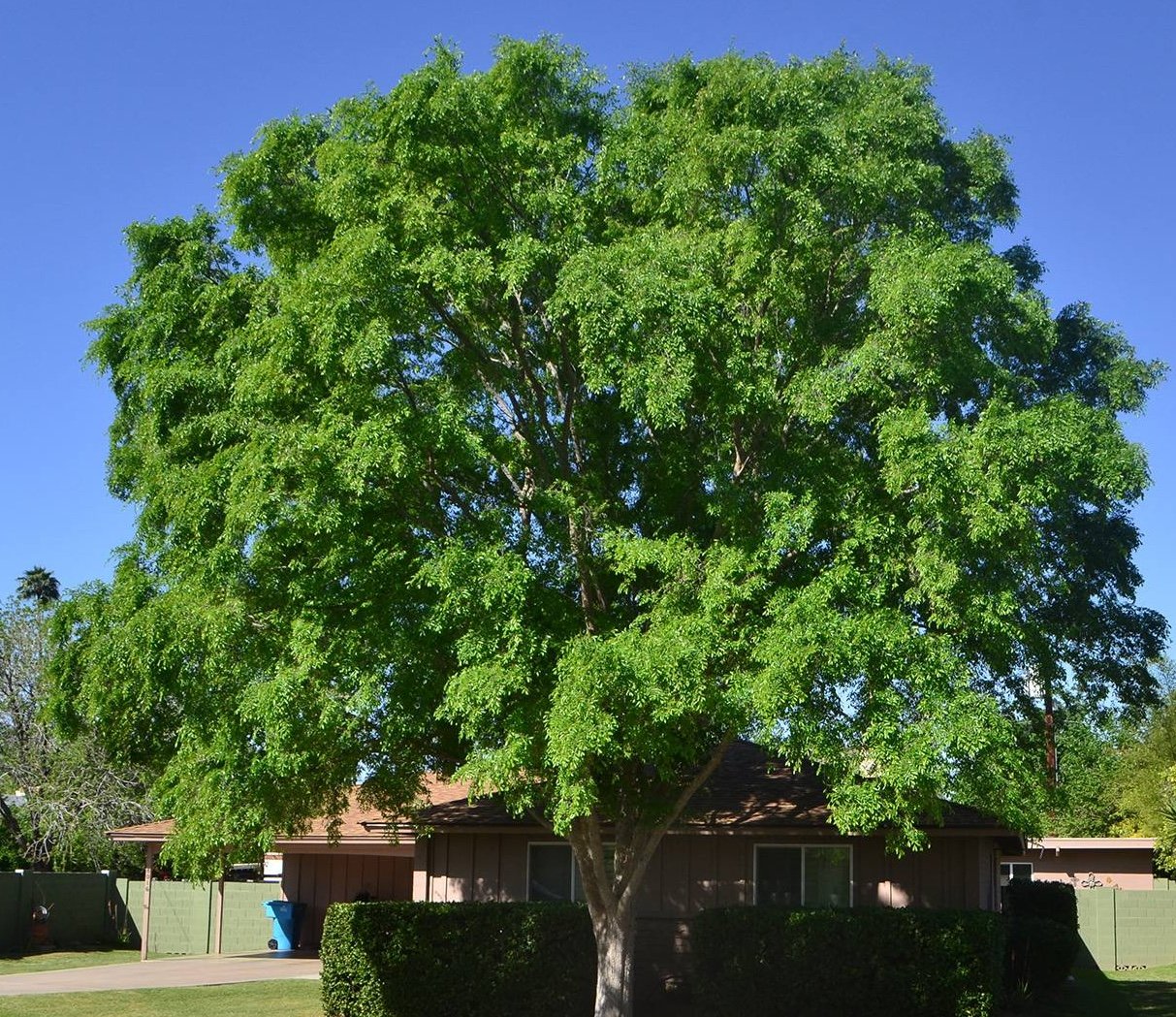
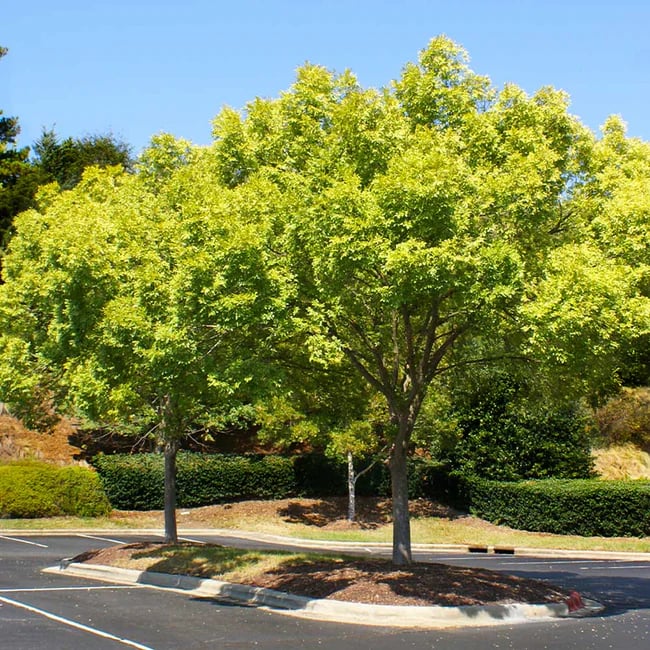
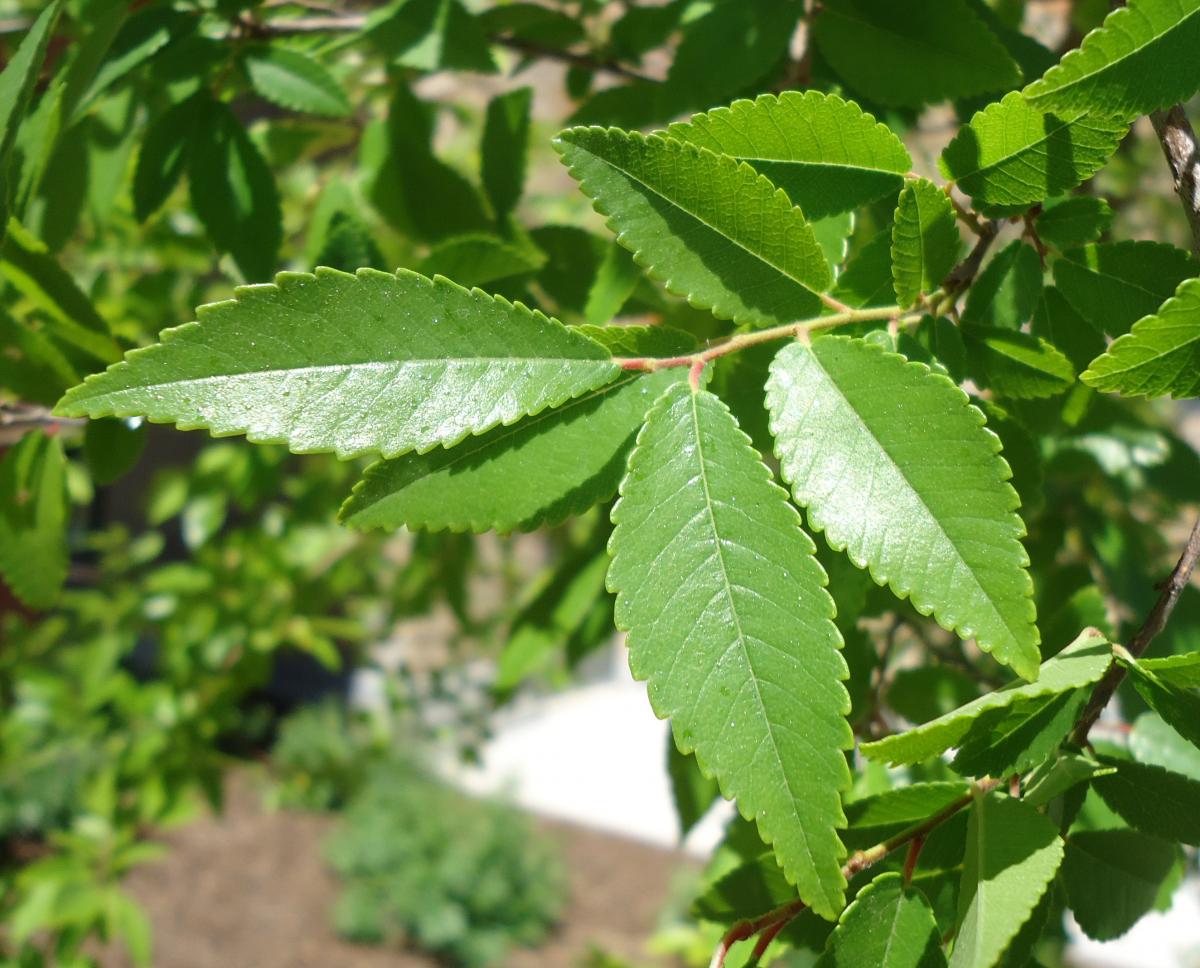
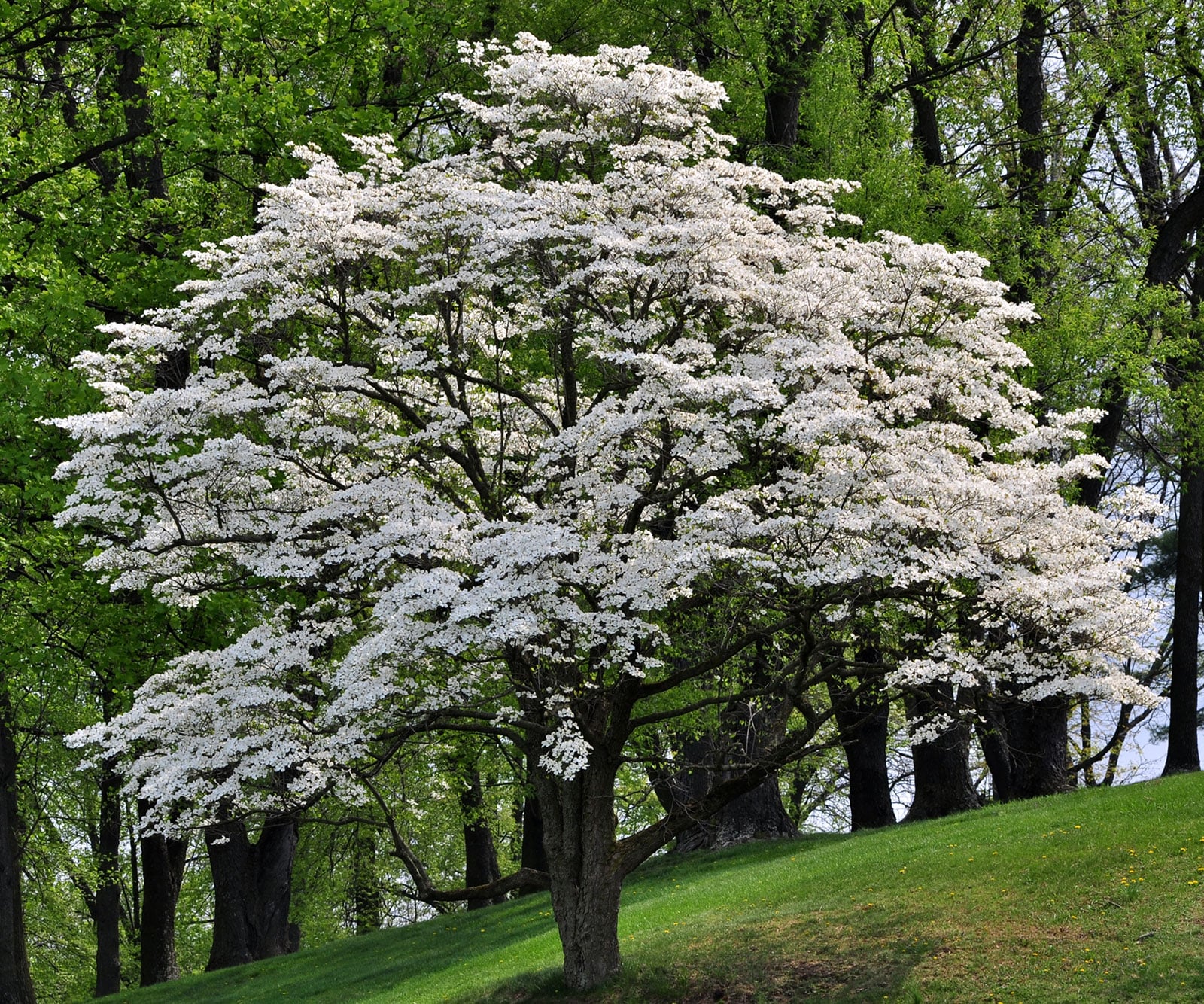
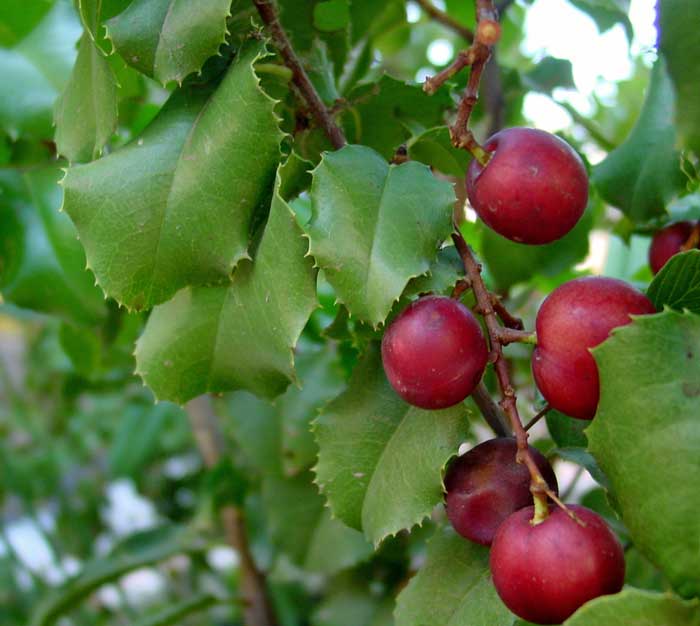
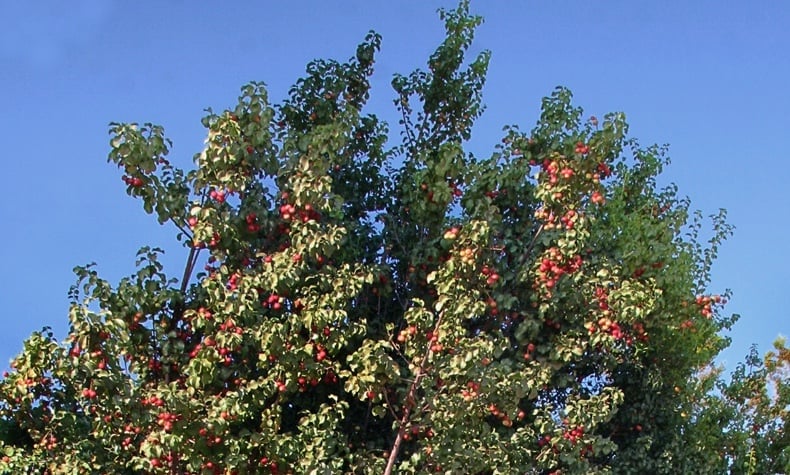
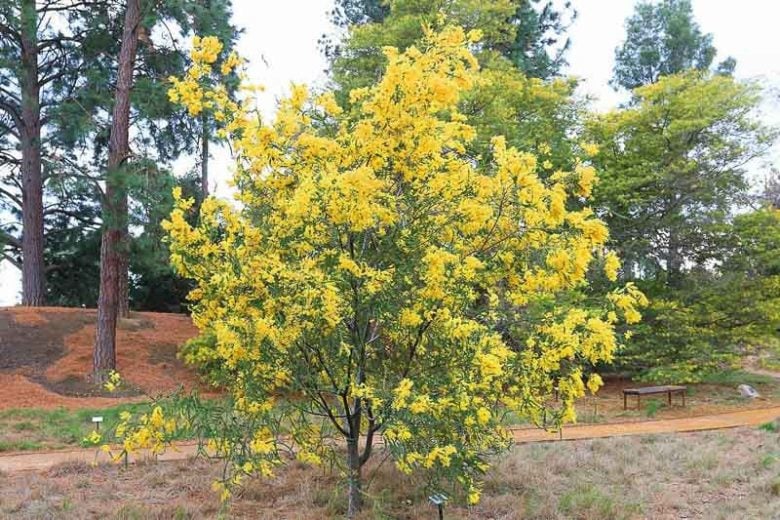
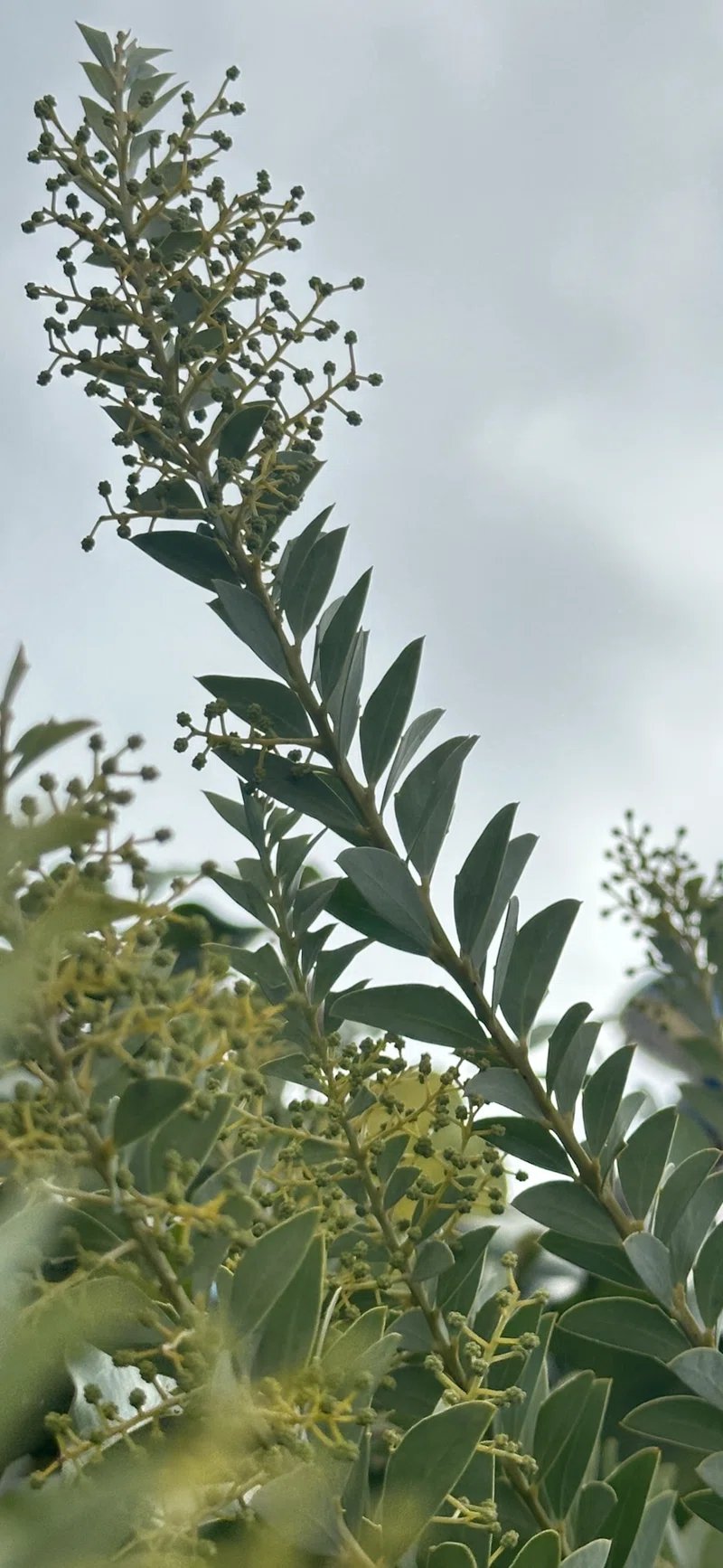
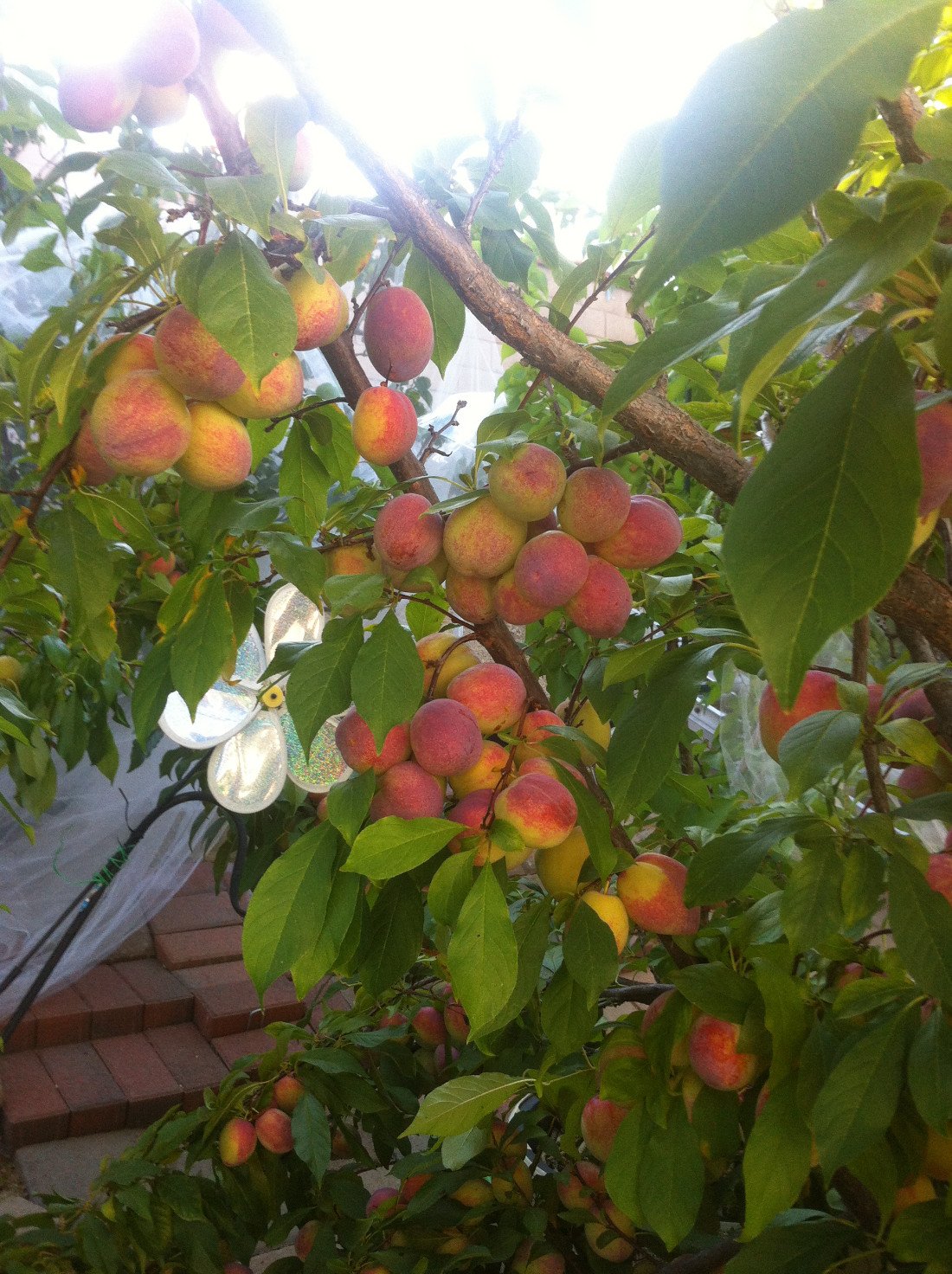
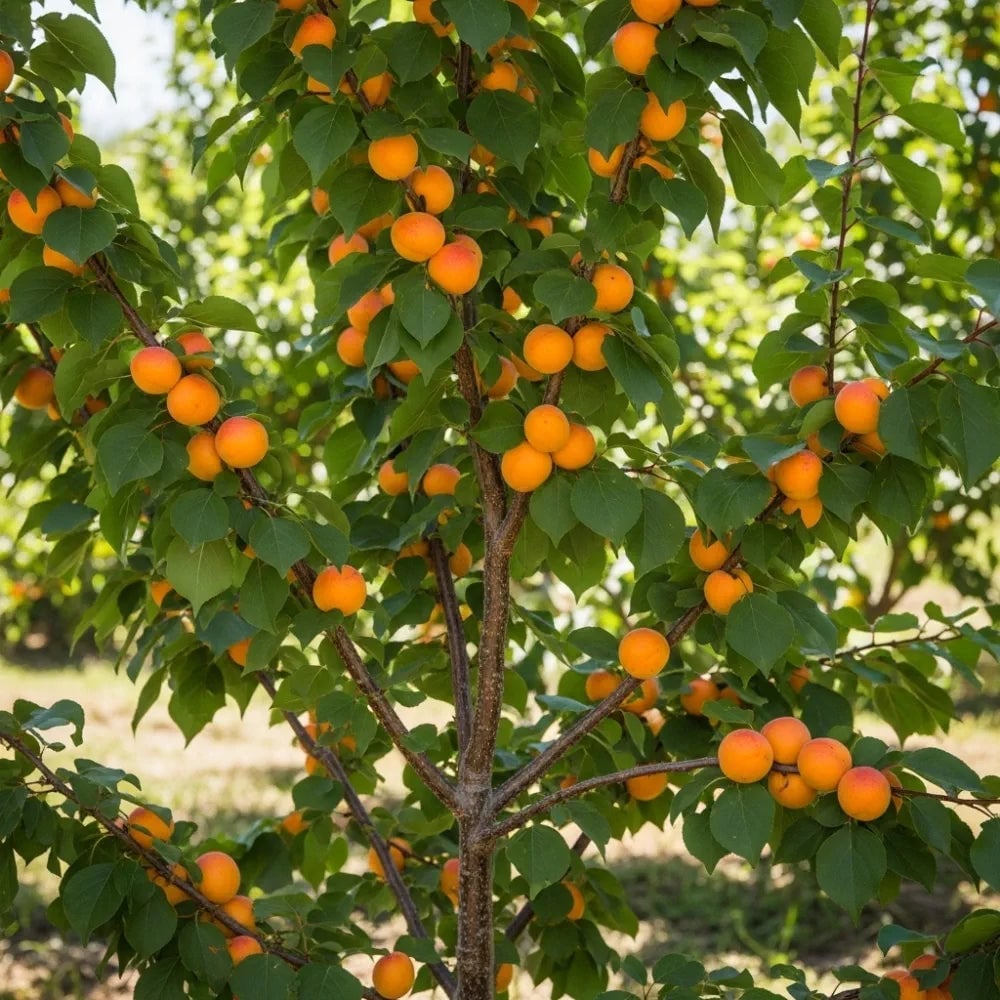
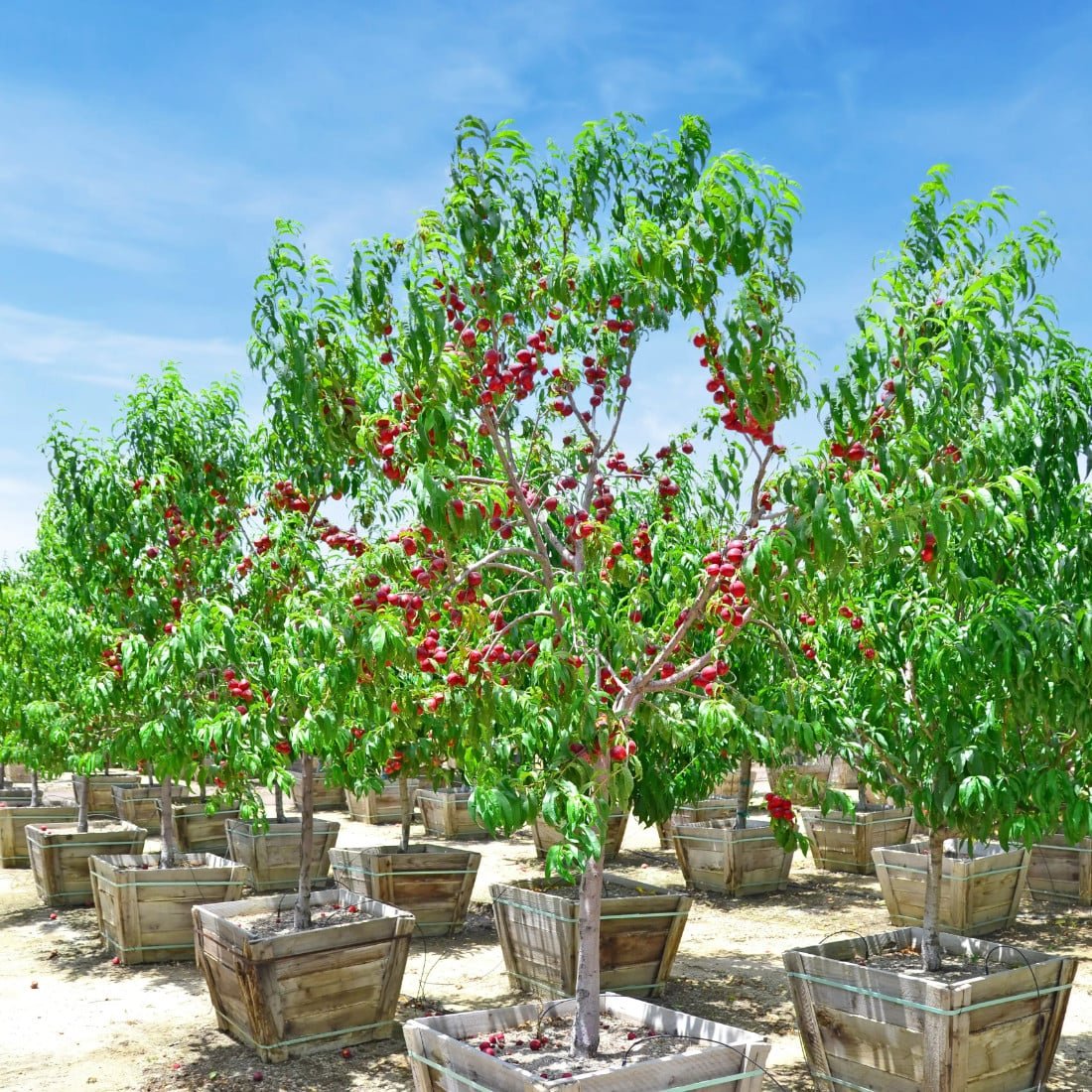
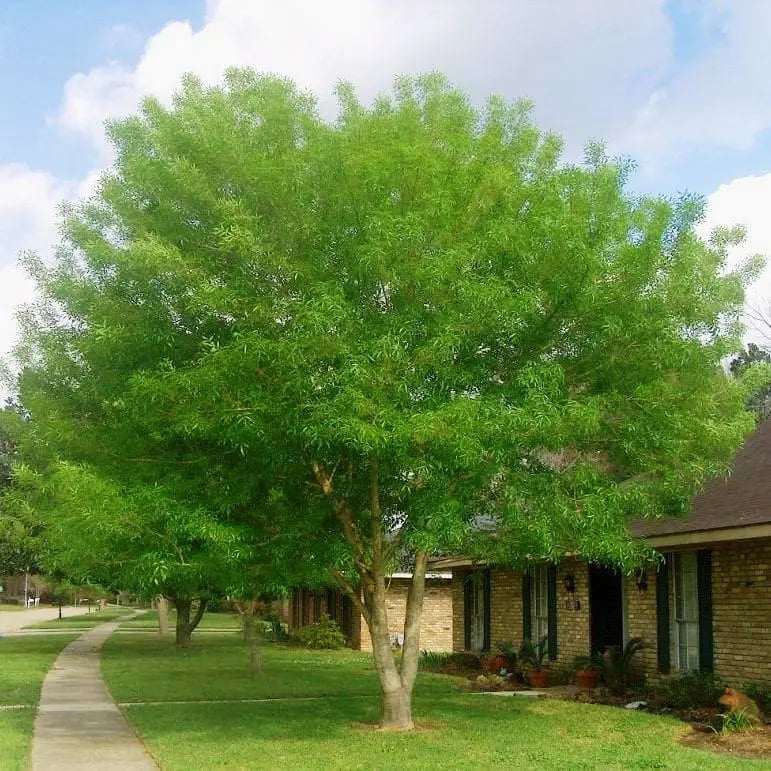
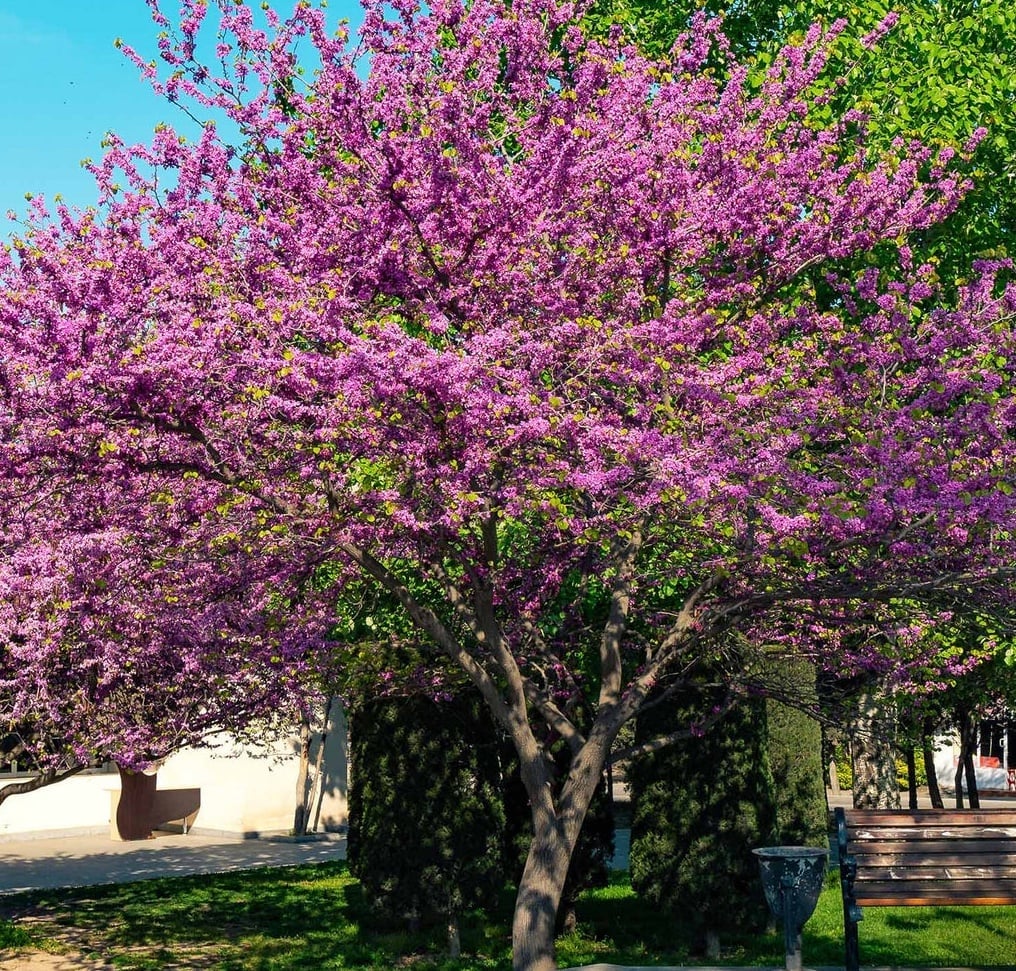
SHADE (Native)
- Native Range: Southwestern United States (S.CA – Texas & N. Mexico)
- Height: 30 – 50 Feet
- Canopy Width: 20 – 50 feet
- Growth Rate: Rapid growth, 2 – 3 feet per year
- Water Needs: Moderate water, especially when young. Benefits from regular watering. Keep moist while young. Older trees are more drought tolerant. Deep water every 7 – 10 days.
- Fruit or Flower: Small flowers in early spring followed by winged seeds
- Leaf Color: Green Pinnately compound leaves
- Root System: Deep Tap root with lateral roots that extend outward.
- Root Damage Potential: High, plant 20 – 30 feet away from structures, sidewalks and pipes.
- Soil: Prefers Sandy, Granular, loamy or rocky well drained soil.
- Ideal Planting Time: Late winter to early spring
- Powerline Friendly: No
- Deciduous/Evergreen: Deciduous
- Sun Requirements: Full Sun (6 – 8 hours daily)
- Toxicity to Pets?: Non-toxic
- Cultural Uses: making tools, hunting bows and walking sticks
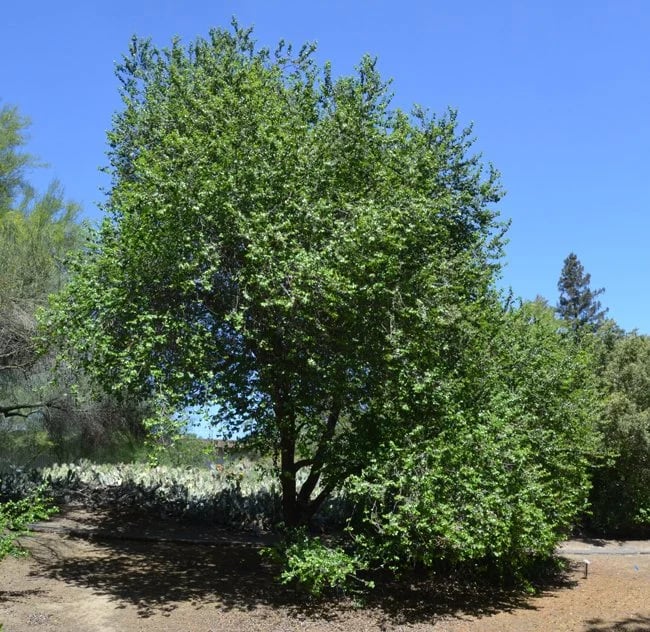
- Native range: CA coast (Mendicino – San Deigo into N. Baja) Chapparal
- Height: up to 50 feet
- Canopy Width: 10-25 Feet
- Growth Rate: Slow growing – Long lived
- Water Needs: regular water for young plants. Drought tolerant once established.
- Fruit or Flower: Small fragrant white flowers turn to Red / dark purple Fruit. Pulp is edible. Pit, leaves and stems are toxic.
- Leaf Color: Dark Green & smells like almonds when crushed.
- Root System: Deep taproot, with fibrous lateral roots. Spread 2-3 times the width of the branch spread.
- Root Damage Potential: High, plant 5 – 10 feet away from structures, sidewalks and pipes.
- Soil: Well drained soil, slightly acidic course, fertile garden soil.
Ideal Planting Time: late fall or early spring before or after risk of frost - Powerline Friendly: No
- Deciduous/Evergreen: Evergreen
- Sun Requirements: Full Sun to Partial shade
- Toxicity to Pets?: Pit, leaves and stems are toxic
- Cultural uses: Bark & roots used for medicinal purposes
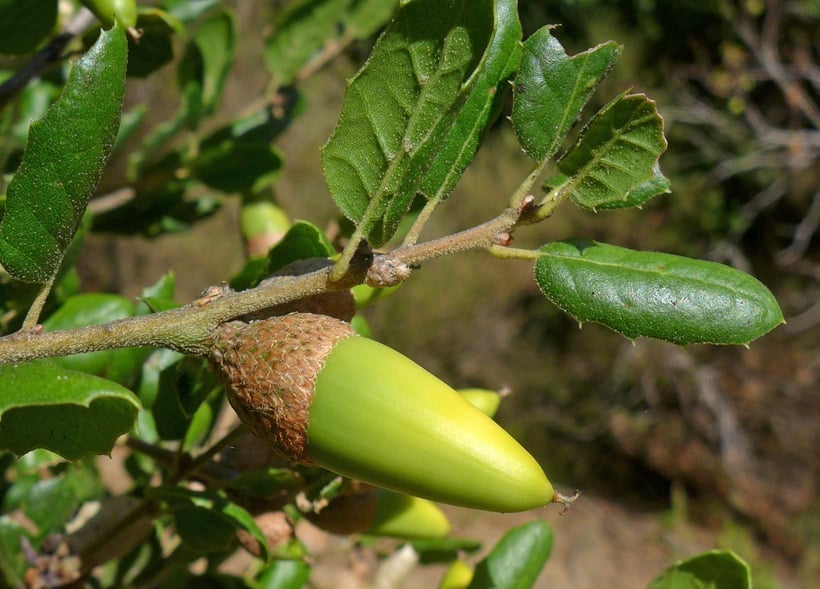
- Native range: CA floristic province (Mendicino county South – N. Baja CA) Keystone species supporting over 270 species of birds, insects and mammals.
- Height: 30 – 100 feet
- Canopy Width: up to 130 feet across
- Growth Rate: 1- 2 feet per year
- Water Needs: Water young trees weekly in 1st year, then monthly until about 10 feet tall, after which summer watering is generally unnecessary. Extremely drought tolerant – can live several centuries, some exceeding 1,000 years old.
- Fruit or Flower: Acorn (nut / dry fruit)
- Leaf Color: rich deep dark green
- Root System: Young trees develop a taproot for water access, later replaced by horizontal roots that stabilize the tree and gather nutrients.
- Root Damage Potential:
- Soil: Well-draining sandy loam slightly acidic to neutral soil. Water should drain within an hour or can cause root rot.
- Ideal Planting Time: October – February
- Powerline Friendly: No
- Deciduous/Evergreen: Evergreen
- Sun Requirements: Full sun to partial shade
- Toxicity to Pets?: leaves and acorns can cause gastrointestinal upset in cats and dogs.
- Cultural Uses: Ohlone, Kumeyaay and Cahuilla used Acorns for food, bark as a medicinal and dye for cloths, wood for utensils
- Native range: Low mountain ridges and dry rocky slopes (Western N. America – Baja CA) Great basin & Rocky Mountains
- Height: Shrub or small Tree 4 – 30 feet (depends on prunning)
- Canopy Width: 20 – 30 Feet
- Growth Rate: Slow growing, sometimes taking up to a century to reach full height.
- Water Needs: Drought adapted. Water regularly until established. Then every 2-4 weeks in spring and fall, more often in summer if needed. Winter minimal to no water.
- Fruit or Flower: Fragrant Cream flowers in Spring (April – June)
- Leaf Color: Dark green leafs
- Root System: Nitrogen fixing roots allow it to thrive in nutrient poor soil and improve soil over time.
- Soil: Well-draining arid, rocky and sandy
- Powerline Friendly: Yes
- Deciduous/Evergreen: Evergreen
- Sun Requirements: Full to part Sun
- Toxicity to Pets?: Generally considered safe and non-toxic
- Cultural Uses: Gosiute used Wood to make bows, handles and fuel. Piute and Shoshone used for various medicinal purposes.
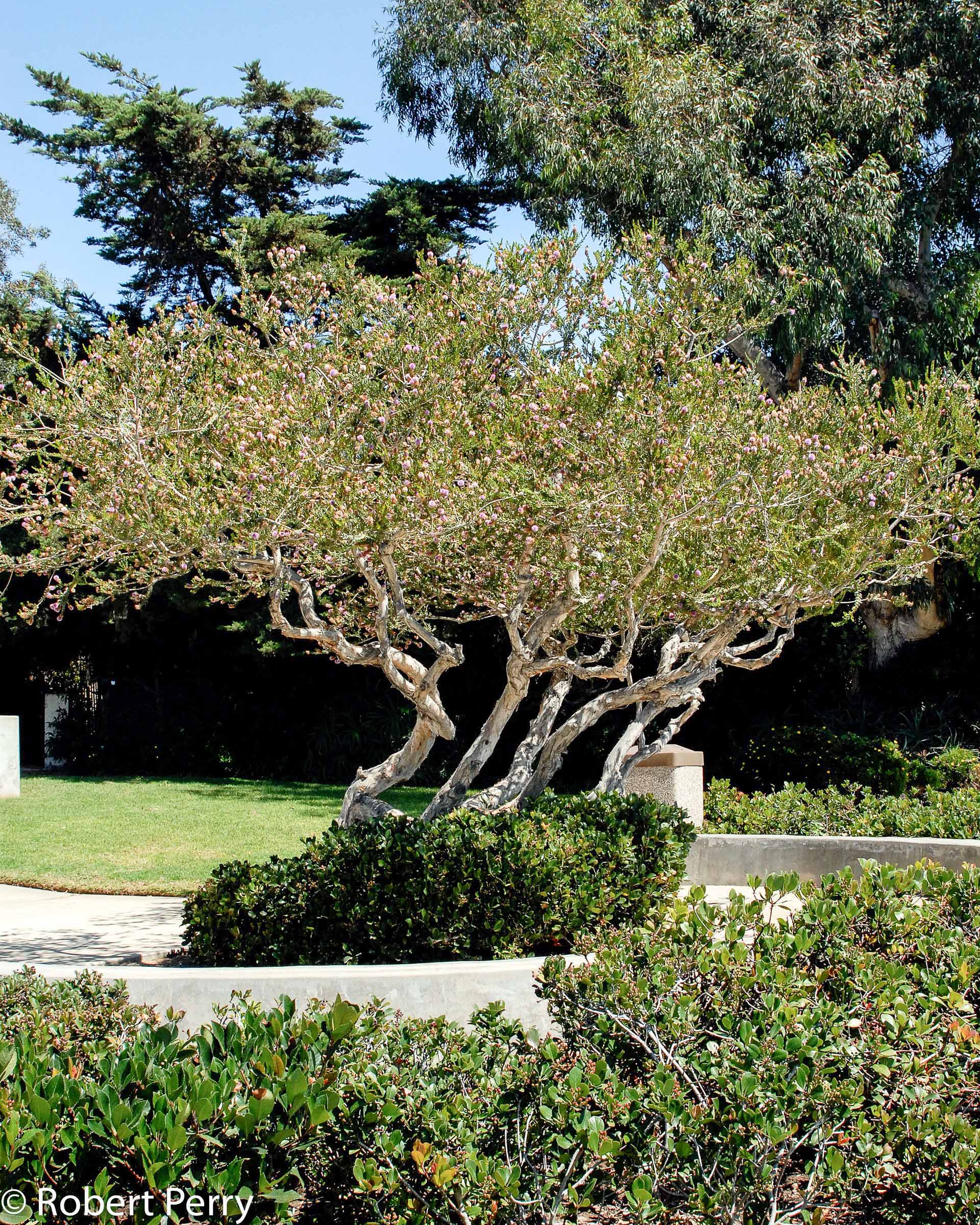
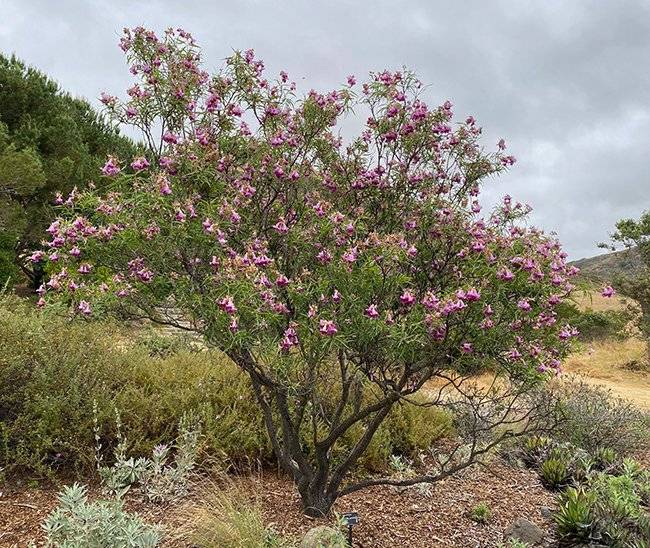
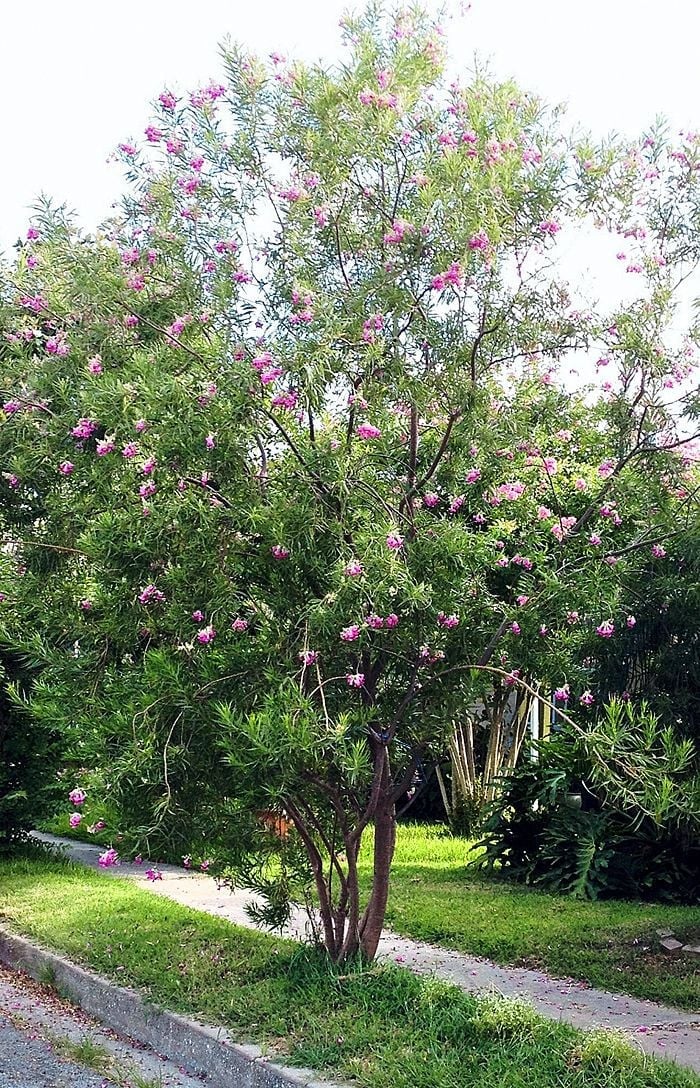
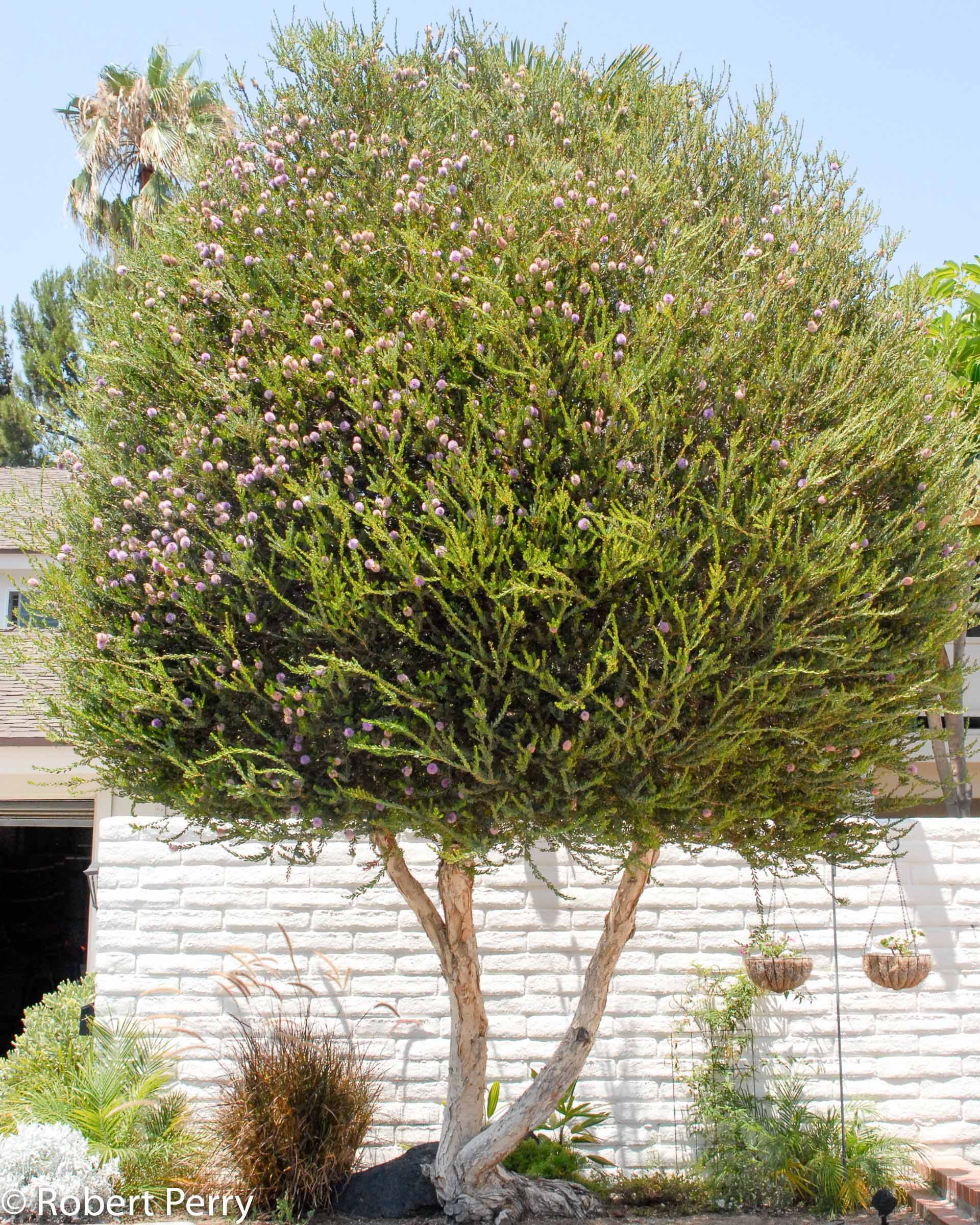
- Native range: S. West US – N. Mexico (S. CA, Baja CA, S. New Mexico, & S. Arizona)
- Height: 15 – 25 feet
- Canopy Width: 10 – 15 feet
- Growth Rate: 1 – 2 feet per year, reaching mature height in a few years.
- Water Needs: needs consistent moisture 1st 6-8 weeks. Then water deeply but infrequently to encourage deep roots. Highly drought tolerant.
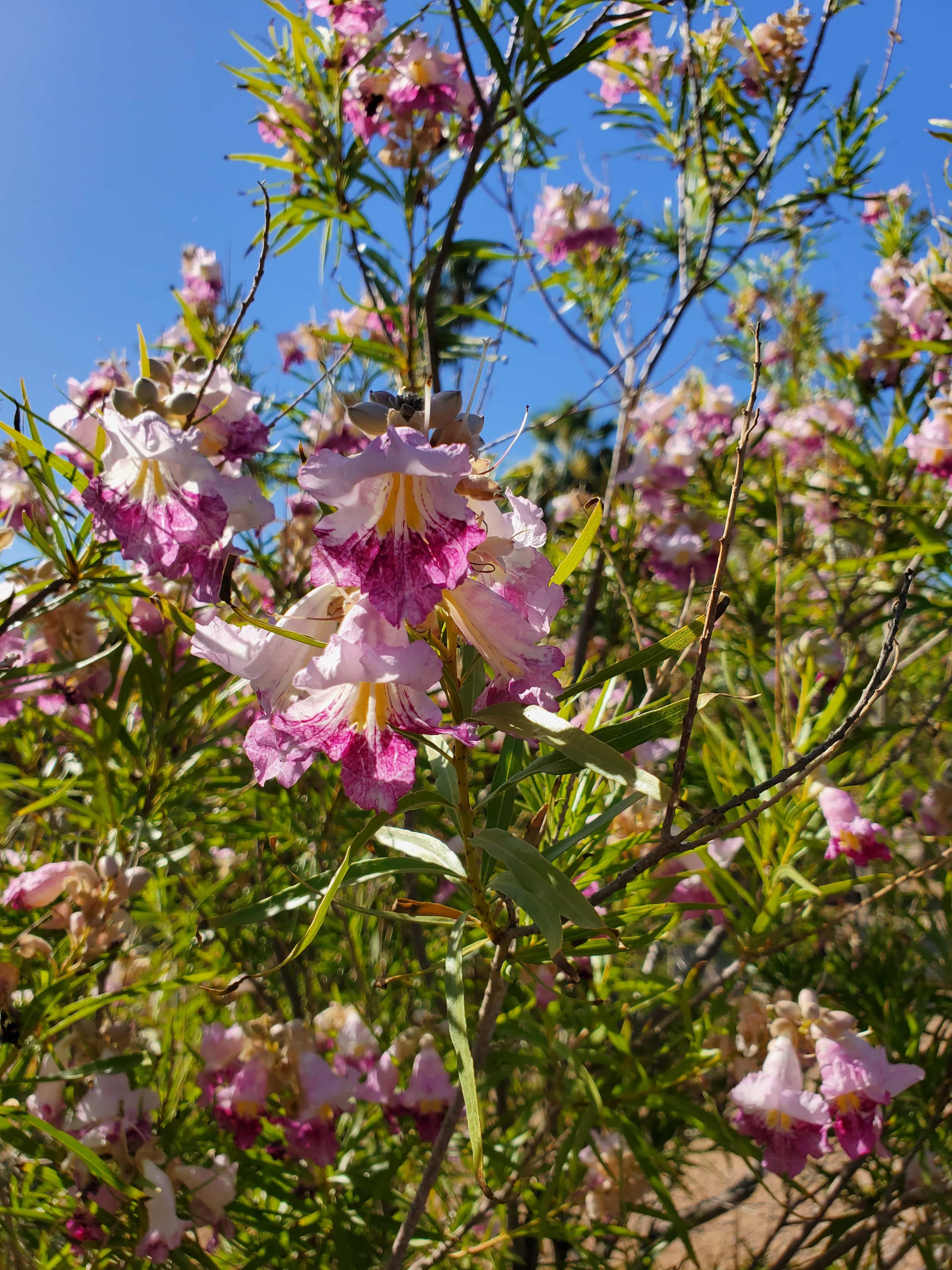
- Fruit or Flower: Pink or Purple Flowers (late spring to early fall)
- Leaf Color: light green
- Root System: Deep taproot, with lateral roots. Favors deep root growth over lateral.
- Root Damage Potential: low
- Soil: Well drained Sandy, loamy, or gravelly acidic or alkaline soil
- Ideal Planting Time: Spring (late March – early May) or early fall (September – early October)
- Powerline Friendly: Yes
- Deciduous/Evergreen: Deciduous
- Sun Requirements: Full Sun
- Toxicity to Pets?: Generally considered non-toxic
- Cultural Uses: Symbolic of resilience, adaptability, and connection to water. Wood was used for tools.
- Native range: CA, Oregan, Utah, Arizona. Dry slopes, mountain foothills, Canyon bottoms & near streams.
- Height: Small tree or multitrunked shrub 10 – 20 feet
- Canopy Width: 10 – 20 feet
- Growth Rate: 4 – 6 feet per year
- Water Needs: Water every 2 – 3 days for the first 3 – 12 weeks after planting, delivering 10 – 15 gallons per week in slow, deep soakings
- Fruit or Flower: Bright pink to magenta flowers in spring
- Leaf Color: Pale green in spring & blue – green in summer, golden yellow / rust red in fall
- Root System: Shallow fibrous root system primarily spreads laterally. Spreading 10-15 feet from trunk.
- Root Damage Potential: Moderate to High. Plant 10 – 15 feet from foundations & 15-20 feet from water sources/septic.
- Soil: Well drained soil. Tolerates clay and alkaline soils.
- Ideal Planting Time: Late winter to early spring (Feb – April)
- Powerline Friendly: Yes
- Deciduous/Evergreen: deciduous
- Sun Requirements: Full Sun (at least 6 hours a day)
- Toxicity to Pets?: Generally considered safe
- Cultural Uses: Southern Sierra Miwok used for Basket making
SHADE (Drought-tolerant)
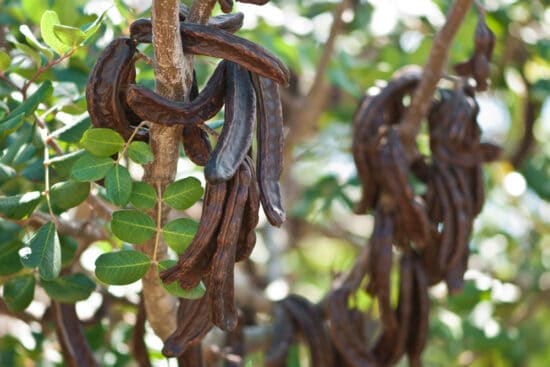
- Native range: Mediterranean and Middle East
- Height: up to 50 feet
- Canopy Width: around 40 feet once fully matured
- Growth Rate: 12 – 24 inches per year (typically 5 – 10 years to reach full size)
- Water Needs: Consistent but moderate watering in first years after planting; young trees may need watering every 3 – 4 days
- Fruit or Flower: Fruit (Seed pod) blossom in Autumn
- Leaf Color: Evergreen w/ leathery, glossy green leaves
- Root System: Deep, robust taproot system that can extend 6 – 10 feet into soil
- Root Damage Potential: Low; considered beneficial for drought resistance and soil health
- Soil: Very well adaptable, but require well-drained soil to survive
- Ideal Planting Time: Late winter to early spring in Redlands, CA
- Powerline Friendly: Yes
- Deciduous/Evergreen: Evergreen
- Sun Requirements: Needs at least 6 – 8 hours of direct sunlight daily for optimal growth
- Toxicity to Pets?: Non-toxic
- Cultural Uses: Healthier alternative to chocolate; In Middle Eastern traditions, carob pods are used in fertility ceremonies to ensure abundant harvests, often burned as incense to create symbolic links between the earthly and divine
- Native range: Europe, Asia, and North America (South Maine to North Florida)
- Height: 15 – 30 feet; occasionally 50 – 75 feet under ideal conditions
- Canopy Width: typically 15 – 25 feet
- Growth Rate: 1 – 2 feet of height per year (15 – 25 years to mature)
- Water Needs: During first 4 – 6 weeks after planting, water at least twice per week (every 2 – 3 days during hot, dry weather). Each watering should deeply soak the soil 6 – 12 inches to encourage strong root development
- Fruit or Flower: Berry-like fruit after flowering
- Leaf Color: Green in spring and summer, turning red, purple, orange, or yellow in autumn.
- Root System: Shallow, fibrous root system that spreads horizontally, typically within the top 12 to 24 inches of soil
- Root Damage Potential: Low
- Soil: Thrive in well-drained, slightly acidic to neutral, nutrient-rich soil with ample organic matter
- Ideal Planting Time: Late fall or early spring
- Powerline Friendly: Yes when planted 20 feet of lines and stays under 25 feet
- Deciduous/Evergreen: Deciduous
- Sun Requirements: Partial sun (3 – 6 hours of direct sunlight daily; morning sunlight and afternoon shade)
- Toxicity to Pets?: Non-toxic
- Cultural Uses: Food sources for Native American Interior Salish tribes; used in religious ceremonies by tribes like the Quileute and Makah
- Native range: Western Australia
- Height: 10 – 18 feet
- Canopy Width: 15 – 20 feet
- Growth Rate: 3 feet per year under ideal conditions
- Water Needs: Water every thoroughly and deeply 1 – 2 weeks during the growing season; every 2 – 4 weeks once established
- Fruit or Flower: Showy pompon bottlebrush flowers
- Leaf Color: Typically described as medium green to blue-green in color, with some sources noting a pale green or bright green hue depending on the plant’s health and growing conditions
- Root System: Fibrous, branching root system
- Soil: Well-drained, often sandy or loamy soils
- Ideal Planting Time: Late winter to early spring (late February – early March)
- Powerline Friendly: Yes
- Deciduous/Evergreen: Evergreen
- Sun Requirements: Thrives in full sun (at least 6 hours of direct, unfiltered sunlight daily)
- Toxicity to Pets?: Its tea tree oil is considered toxic to dogs and cats if ingested
- Cultural Uses: Medicine, fragrances and crafts
- Native range: Various parts of South Africa
- Height: 20 – 30 feet tall
- Canopy Width: 20 – 30 feet tall
- Growth Rate: 2 feet per year
- Water Needs: For the first 6 – 12 months, water deeply but infrequently; young trees benefit from 1 – 2 inches of rain per week or equivalent irrigation during establishment
- Fruit or Flower: Small, inconspicuous yellow-green flowers that appear in dense clusters; only females produce berry-like fruits
- Leaf Color: Fine‑textured, leathery leaves that are medium to bright green in color
- Root System: Deep, fibrous root system combining thick taproots that penetrate deeply into the soil for stability and water access, with lateral fibrous roots that spread horizontally to absorb nutrients and moisture from a wide area
- Root Damage Potential: Can cause significant damage if planted too close to structures or in sensitive areas
- Soil: Well-drained soils (sandy, loamy, or clay-based) and tolerates poor, rocky, or alkaline soils
- Ideal Planting Time: Early spring or fall
- Powerline Friendly: Not generally considered
- Deciduous/Evergreen: Evergreen
- Sun Requirements: Full-sun-loving tree that thrives with 6 – 8 hours of direct sunlight daily for optimal growth
- Toxicity to Pets?: Can be toxic to pets depending on the type
- Cultural Uses: often seen as a symbol beauty, resilience and hospitality. Bark, leaves and fruit have been used for medicine. Wood used for craftwork and inner bark and fruit for natural dyes.
- Native range: New South Wales and Queensland
- Height: Around 13 feet
- Canopy Width: 8 – 10 feet
- Growth Rate: Moderately grow; takes a couple years to reach mature height
- Water Needs: 0.5 cups of water every 9 days with young plants
- Fruit or Flower: Bright yellow, clustered blooms in spring/summer
- Leaf Color: Gray-green to silvery-gray
- Root System: Fibrous, branching root system that develops shallow, wide-spreading network
- Root Damage Potential: Medium; may encroach on nearby infrastructure
- Soil: Well-draining soils
- Ideal Planting Time: Late winter to early spring
- Powerline Friendly: Spreads as wide as it is tall, so it can encroach on powerline clearance zones if planted too close
- Deciduous/Evergreen: Evergreen
- Sun Requirements: Full sun to partial shade (at least 6 hours of direct sunlight per day)
- Toxicity to Pets?: Non-toxic
- Cultural Uses: Food sources, medicinal uses, fiber/tools, gum and resin combined with ash and fire, smoke and cleansing, fire management (helps regenerate soil nitrogen and maintain habitat)
- Native Range: Eastern Asia
- Height: 40 – 60 feet
- Canopy Width: 25 – 50 feet
- Growth Rate: 2 – 5 feet per year
- Water Needs: Once once or twice a week during growing season and once established
- Fruit or Flower: Small flowers and fruits that works more for its wind-pollinated reproductive cycle
- Leaf Color: Glossy, dark green on the upper surface and paler green underneath
- Root System: Vigorous, fibrous root system that can spread widely and aggressively, especially as the tree matures
- Root Damage Potential: High if planted too close to structures, utilities, or other plants
- Soil: Blend of sand silt, silt, and clay that balances moisture retention, drainage, aeration, and nutrient availability
- Ideal Planting Time: March through May
- Powerline Friendly: No
- Deciduous/Evergreen: Primarily deciduous
- Sun Requirements: 4 – 6 hours of direct sunlight daily
- Toxicity to Pets?: Generally non-toxic to most pets, but leaves and bark can be mildly toxic to certain animals
- Cultural Uses: In native regions, fruits were consumed and inner bark was ground into powder for thickening soups; wood is durable enough to make furniture out of; popular shade tree
LOW-CHILL FRUIT
- Native Range: Asia but thrives in Southern California
- Height: 15 – 30 feet
- Canopy Width: ~20 feet tall
- Growth Rate: 2 – 4 feet every year
- Water Needs: Deep infrequent watering (~13 gallons a week during growing season)
- Fruit or Flower: Red-skinned, yellow-fleshed freestone fruit known for its sweet, aromatic flavor and suitability for warm climates
- Leaf Color: Dark green
- Root System: Deep taproot for stability and nutrient uptake, joined by a network of lateral roots that spread horizontally to absorb water and nutrients
- Root Damage Potential: Not considered highly invasive, but can still cause root-related issues if planted in the wrong conditions or if certain diseases take hold
- Soil: Prefers well-drained soils
- Ideal Planting Time: Late winter – early spring (February – April)
- Powerline Friendly: Well-suited for powerline-friendly planting
- Deciduous/Evergreen: Deciduous
- Sun Requirements: Full sun (at least 6 – 8 hours of direct sunlight)
- Toxicity to Pets?: Non-toxic
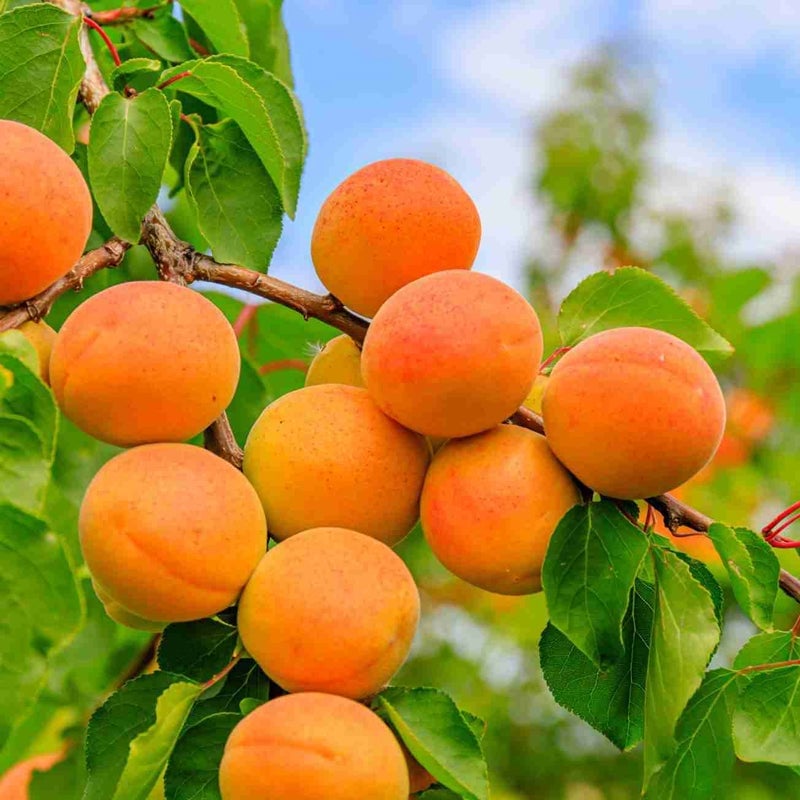
- Native Range: Native to Central Asia and China
- Height: 12 – 15 feet (Semi-dwarf)
- Canopy Width: 10 – 20 feet
- Growth Rate: Moderately to rapidly growing
- Water Needs: First year requires watering 1 – 3 times/week with 5 – 10 gallons every time; established trees require watering once a week with 1 inch per session
- Fruit or Flower: Juicy, flavorful, golden-orange fruit that stands out for its sweet-tart balance and tender flesh
- Leaf Color: Medium shade of green
- Root System: Central taproot for anchorage, combined with a fibrous, spreading network of lateral roots that act as feeder roots
- Root Damage Potential: Not considered highly invasive, but they can still cause damage if planted too close to structures, sidewalks, or other plants
- Soil: Best soil is well-draining, fertile loam or sandy loam with a pH between 6.0 and 6.5
- Ideal Planting Time: Late winter to early spring (typically February – March)
- Powerline Friendly: Depends
- Deciduous/Evergreen: Deciduous
- Sun Requirements: Full sun (at least 6 hours of direct sunlight per day)
- Toxicity to Pets?: Very
- Native Range: California, US
- Height: 20 – 30 feet
- Canopy Width: 15 – 20 feet
- Growth Rate: Maturing/bearing fruit in 3 – 5 years
- Water Needs: First year requires 5 – 10 gallons per week; 2 – 3 deep waterings per month
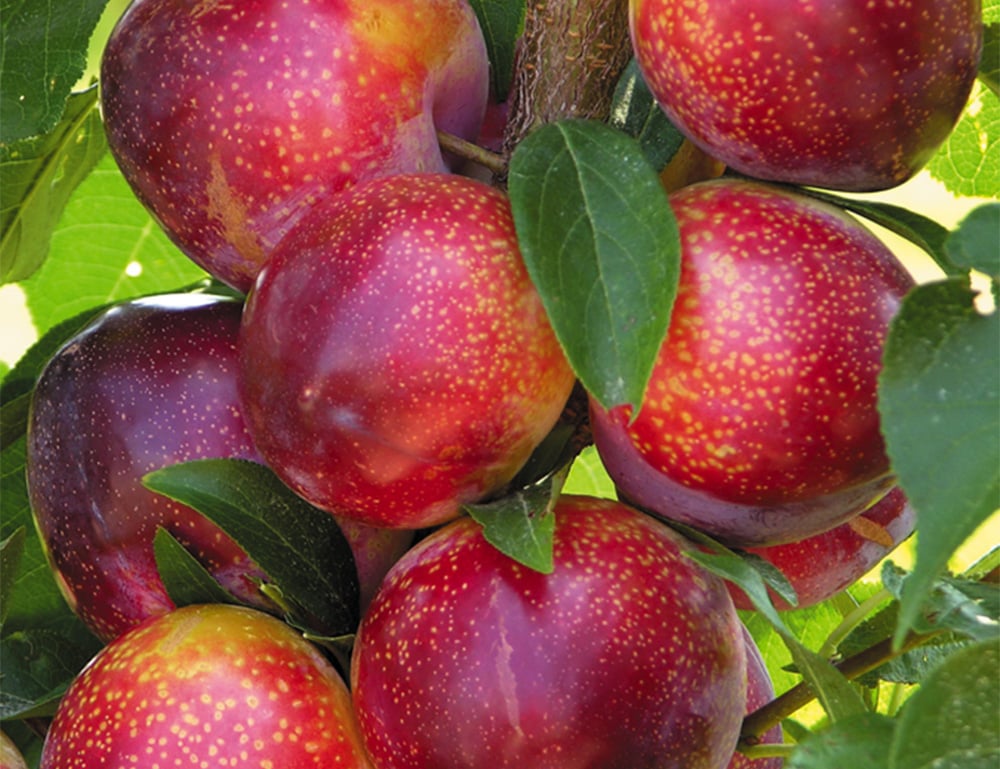
- Fruit or Flower: Medium to large, dark red to purple plums with sweet, juicy yellow-orange flesh and a slightly tart skin, prized for fresh eating, cooking, and ornamental value.
- Leaf Color: Green leaves
- Root System: Predominantly taproot system that develops fibrous, spreading network
- Root Damage Potential: Moderately to highly invasive, especially if not properly managed
- Soil: Prefers well-draining, nutrient-rich loamy soil with a slightly acidic to neutral pH of 6.0–7.0
- Ideal Planting Time: Late spring (May – June)
- Powerline Friendly: Plant at least 15 – 20 feet from lines
- Deciduous/Evergreen: Deciduous
- Sun Requirements: Requires full sun for optimal growth and fruit production
- Toxicity to Pets?: Toxic to dogs and other animals
- Native Range: Developed in Modesto, California
- Height: 12 – 15 feet
- Canopy Width: 12 – 15 feet
- Growth Rate: Moderate to slow
- Water Needs: 1 – 2 times a week during growing season (moisten root zone completely)
- Fruit or Flower: Crisp, ultra-sweet flavor that is elongated and green with a red blush
- Leaf Color: Forest green
- Root System: Typically semi‑dwarf on Myro 29C rootstock, which is known for good vigor, adaptability, and minimal suckering when the graft is healthy and the plant is not stressed
- Root Damage Potential: Low
- Soil: Well-draining, loamy to sandy loam with a pH between 6.0 and 7.0
- Ideal Planting Time: late winter to early spring (late February to early April)
- Powerline Friendly: Yes
- Deciduous/Evergreen: Deciduous
- Sun Requirements: Full sun w/ at least 6 – 8 hours of direct sunlight per day
- Toxicity to Pets?: The pits are dangerous and should never be offered to pets
- Native Range: Developed in Modesto, California
- Height: 15 feet
- Canopy Width: 12 – 15 feet
- Growth Rate: Moderate
- Water Needs: Regular, moderate watering with deep, infrequent applications to keep soil consistently moist but not waterlogged
- Fruit or Flower: Flesh known for sweet, tangy, and candy-like flavor
- Leaf Color: Green
- Root System: Strong, well‑anchored, and moderately spreading, providing good stability and vigor; moderate taproot w/ good lateral branching
- Root Damage Potential: Struggling trees can directly harm other nearby plants or infrastructure
- Soil: Typically thrive in well-drained, full-sun soil with a neutral pH
- Ideal Planting Time: Late winter to early spring (late February to early March)
- Powerline Friendly: Moderate (must be managed properly and advised to plant 10 – 20 feet away from existing lines)
- Deciduous/Evergreen: Deciduous
- Sun Requirements: Full sun with at least 6 – 8 hours of direct sunlight daily
- Toxicity to Pets?: Flesh is not toxic but pits are both physically and chemically toxic to pets
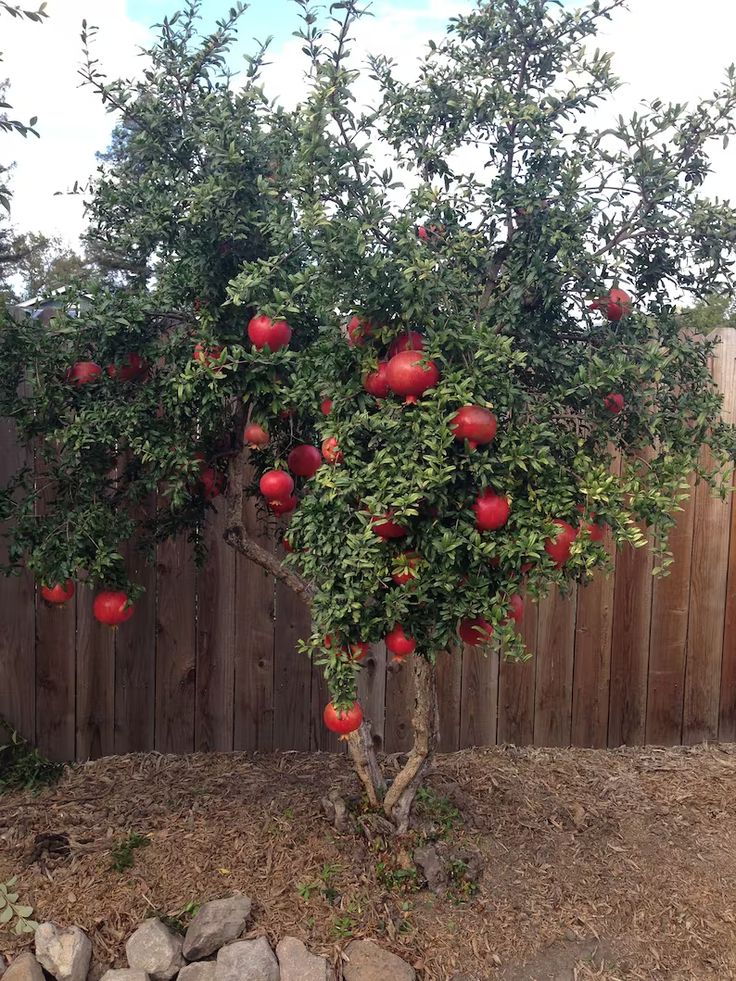
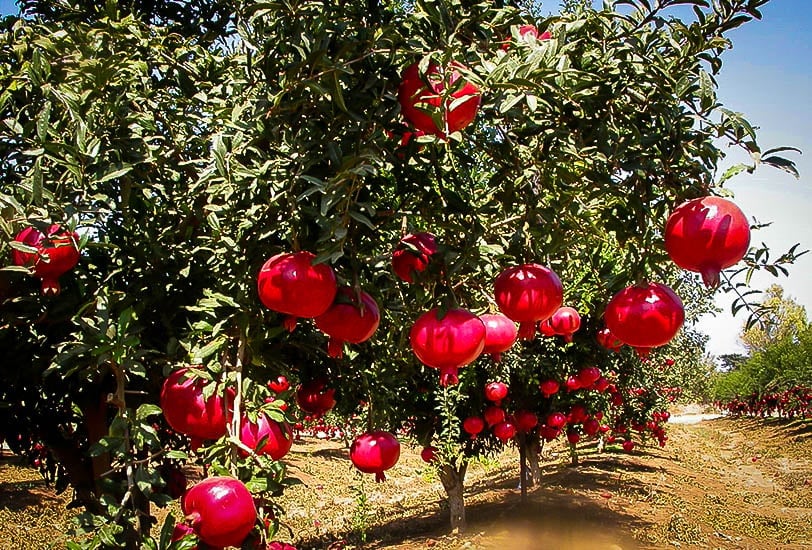
- Native Range: Northeastern Turkey through the Iranian plateau to northern India
- Height: 15 – 20 feet
- Canopy Width: 10 – 15 feet
- Growth Rate: Typically 1 – 2 feet per year, reaching full maturity in 6 – 8 years under ideal conditions
- Water Needs: Young trees need 2 – 5 gallons of water per week during first 1 – 2 years; established trees require deep, but less frequent watering
- Fruit or Flower: Round, leathery-skinned fruit filled with juicy, red arils surrounding seeds, celebrated for its flavor, nutrition, and cultural significance
- Leaf Color: Bright green
- Root System: Predominantly shallow, fibrous root system that spreads widely and efficiently absorbs water and nutrients, with limited invasiveness
- Root Damage Potential: Low as long as ample space is provided between tree and existing infrastructure or other plants
- Soil: Thrive in well-drained, fertile soil with a slightly acidic to neutral pH, ideally sandy loam or clay loam enriched with organic matter
- Ideal Planting Time: Winter
- Powerline Friendly: Yes
- Deciduous/Evergreen: Deciduous
- Sun Requirements: Typically thrive in full sun, requiring at least 6 to 8 hours of direct sunlight daily, but they can tolerate partial shade with reduced fruit production
- Toxicity to Pets?: Not toxic, but certain parts of fruit can cause harm to pets if ingested