Steven Arciniega
Content Strategist—Office of Strategic Marketing and Communications



Apr 23, 2026
"That space at University of Redlands has helped me grow in understanding who I am as a Native Hawaiian and the Doctorate is what will allow me to make that connection further as we explore opportunities to support other Hawaiian students.”
Karalee Mahealani Vaughn ’26 stood in a University of Redlands classroom, eyes moving from wall to wall, searching for comfort to ease her nerves on the first day of her doctoral program. In an instant, a face caught her eye — familiar yet completely unknown.
“I remember thinking, ‘she's Kānaka,’” Vaughn said, referring to the woman across the room. Her name was Ku’uipo Koahou ’26, who, like Vaughn, was Native Hawaiian and was also beginning the School of Education’s Doctorate in Education in Leadership for Educational Justice program — a milestone held by less than 1% of Native Hawaiians and even fewer Native Hawaiian women.
“Seeing her not only gave me a level of comfort, but as a Native Hawaiian at this level in a doctoral program, I knew this program, which focused on educational justice, was the right fit,” Vaughn said. “It was meant to be part of my educational journey.”
“I don’t feel like chance brought us together — it was definitely a higher power,” Koahou said. “My connection with Kara was immediate and has developed over the years. It’s not hidden that we were the cohort of 2017, and the fact that we got to the finish line together is no mistake.”
The bond formed that evening would span years, stretch into late-night study sessions, support one another on a peer and personal level, and culminate in an unshakable commitment — to graduate together in the spring of 2026.
For Vaughn and Koahou, reaching this moment required overcoming obstacles that began years before they started the doctoral program. Both were single mothers and first-generation college students who were raised in households where navigating higher education was new, and doctorates felt out of reach.
“Growing up, I didn't know there was a possibility of earning a doctorate outside of being a medical doctor or about the various fields of doctoral programs,” Vaughn said. Regardless, Vaughn’s mother expected her to earn good grades and continually pushed her towards economic stability and a better life through education.
“It wasn't that my mom didn't want better for us, she just didn't understand the access to get us to college,” Koahou said. “She had me when she was 18 — I was her 3rd child — it was never a discussion that any of her children could work towards a higher education degree.”
Being displaced Native Hawaiians, having each other in a doctoral program not only broke educational barriers, but created an opportunity to support each other inside and outside the classroom.
“Meeting Kara was an opportunity for me to connect with my culture, having been displaced from the Island of Oahu at a young age,” Koahou said. “We call ourselves, ‘Mana Wahine,’ which means strong women — University of Redlands brought two Kānaka females together in a cohort of 20. That space at University of Redlands has helped me grow in understanding who I am as a Native Hawaiian and the Doctorate is what will allow me to make that connection further as we explore opportunities to support other Hawaiian students.”
As the world shut down in 2020, both women paused their dissertations and took on full-time work and childcare from home. The view of the Ed.D. program finish line began to recede; however, they refused to let it disappear completely. Upon returning to in-person modality, Koahou defended her dissertation, with Vaughn following shortly after.
“To have to step away from the program, I felt somehow that I had let my community down, since I knew we needed more researchers and doctorates,” Vaughn said. “To be able to accomplish this together and be able to walk with Ku'uipo means so much more. I hope my daughters, Kawai and Kai’a, see this journey as a source of strength and resiliency — I hope they set high expectations for themselves, find their kuleana, push boundaries, and open doors wider for those that come next.”


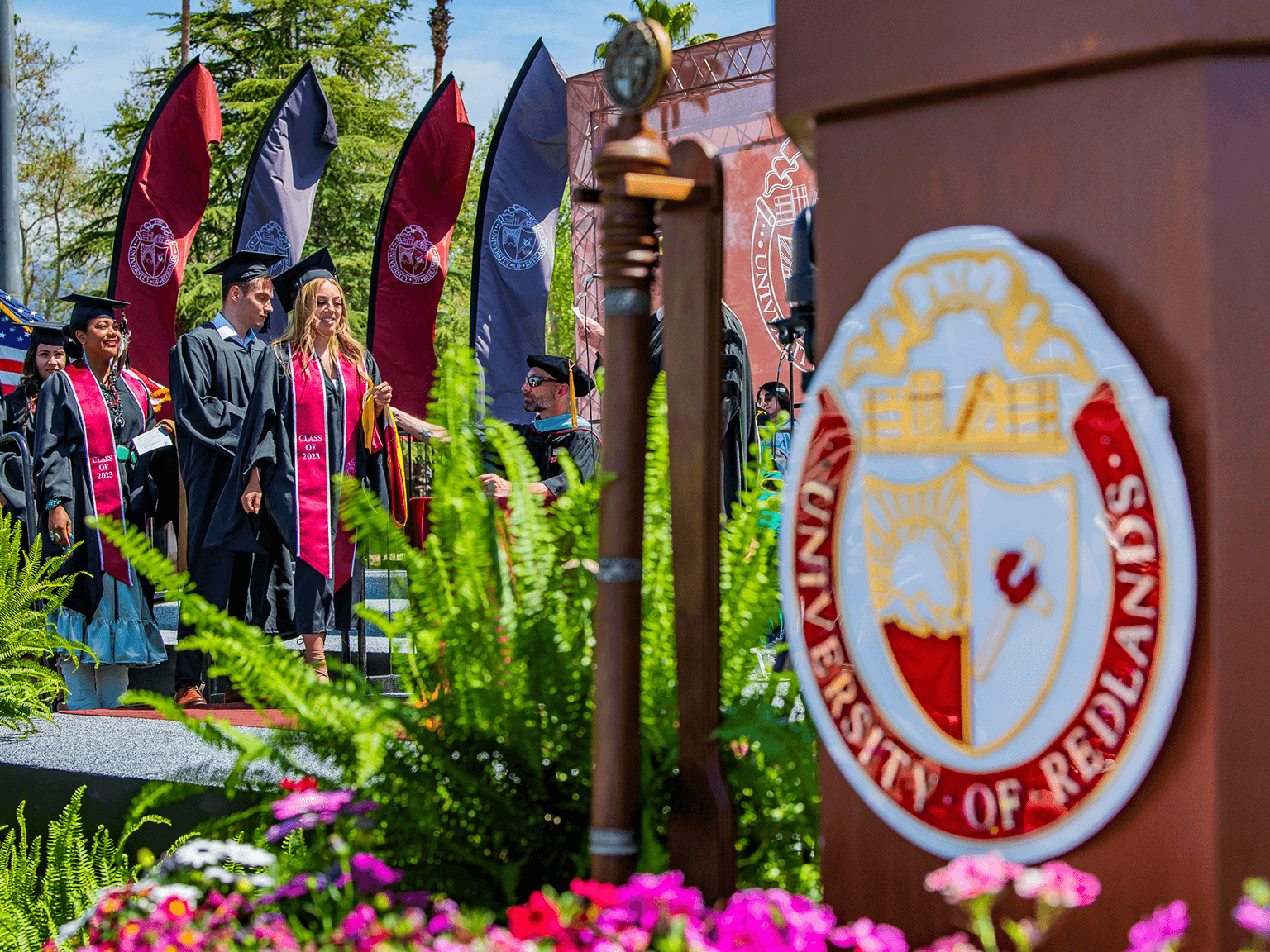
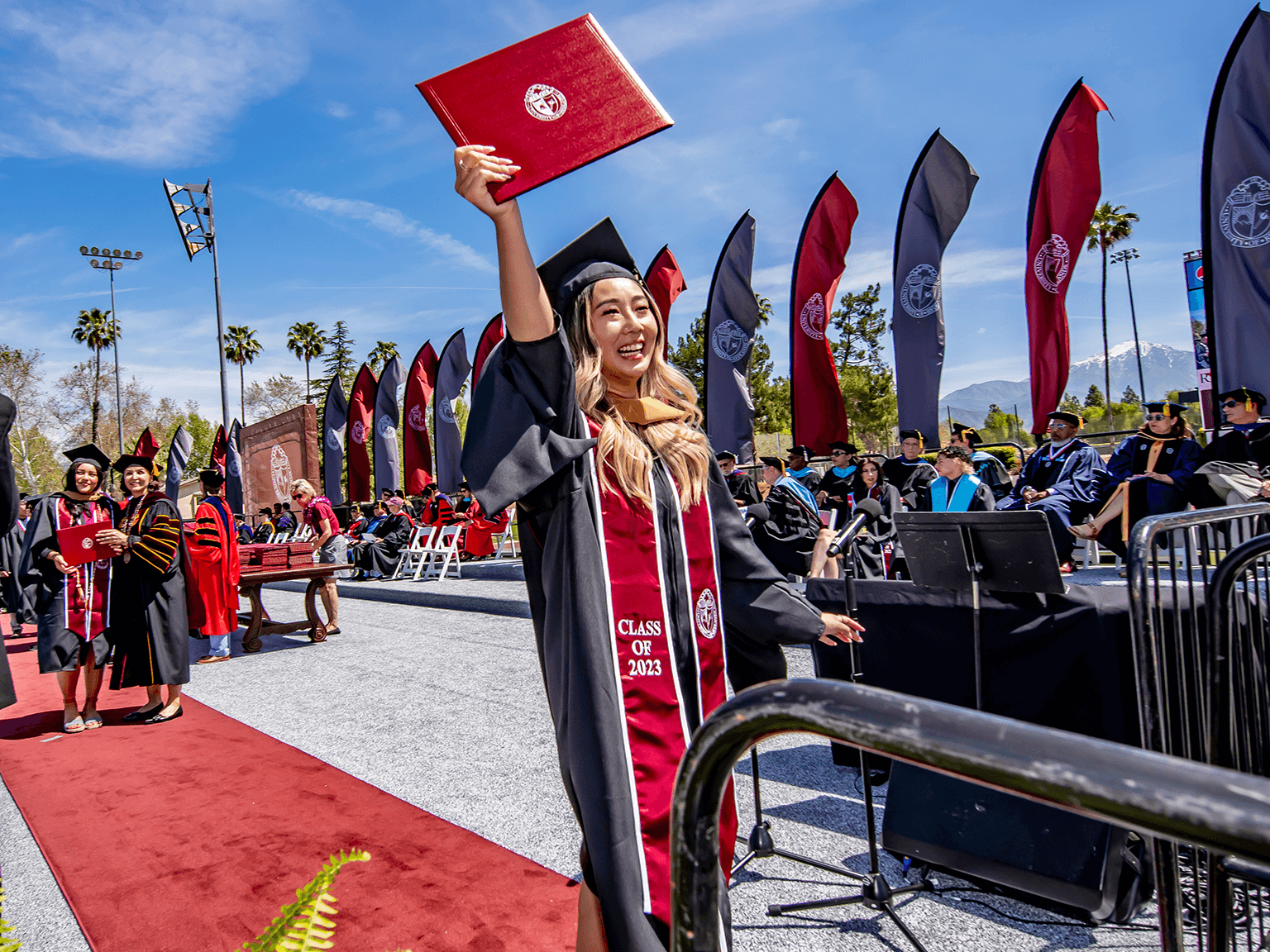
As Vaughn and Koahou prepare to cross the stage at Commencement, they look back at their degrees through the lens of kuleana — the Hawaiian concept of responsibility to something larger than oneself. Vaughn's dissertation, “Sewing My Papa's Fishing Net,” centers on the experiences of Native graduate students. Koahou's examines supporting English learners in the post-pandemic classroom through a Critical Adaptations lens. As a K-12 public school educator in California, where English learners represent a population of over 1.1 million students, Koahou sees the necessity in her time at U of R.
“It's an opportunity for us to clear a pathway to help others navigate the system that we did not know very well,” Koahou said.
As Assistant Director of Native Student Programs (NSP) at U of R, and co-founder, and current board chair of Empowering Pacific Islander Communities (EPIC), Vaughn carries her dissertation research directly into her work with community and current students.
“As Native Hawaiians, to receive our doctorates is an accomplishment and important on so many levels — not only are we dispelling stereotypes that have been attached to our identity, but we are using this accomplishment to create more space and open the door a little bit wider and helping to build new tables, so that Native communities are at every table where decisions are being made for us and by us,” Vaughn said.
Discover the Doctorate in Education in Leadership for Educational Justice at Redlands.