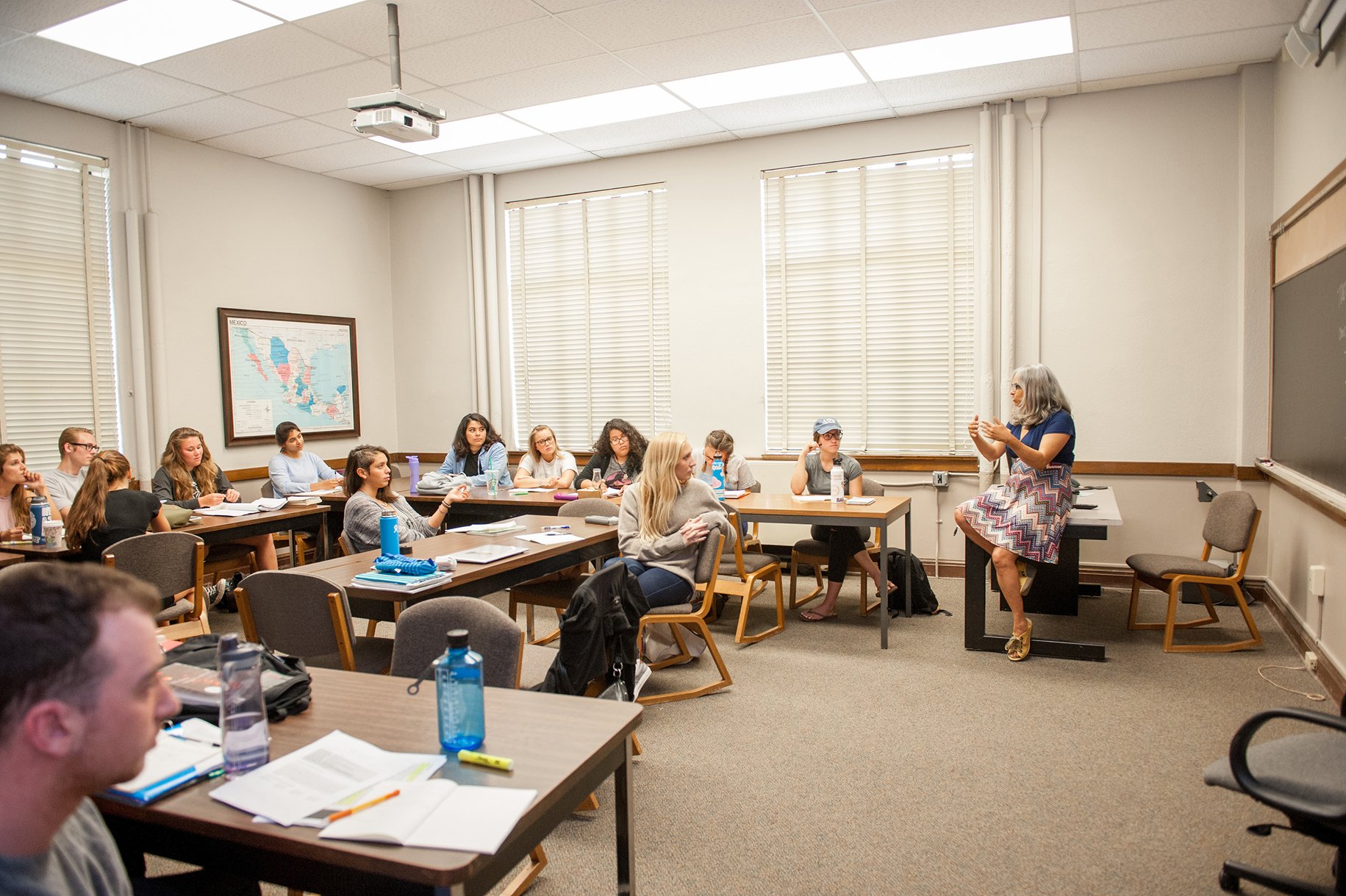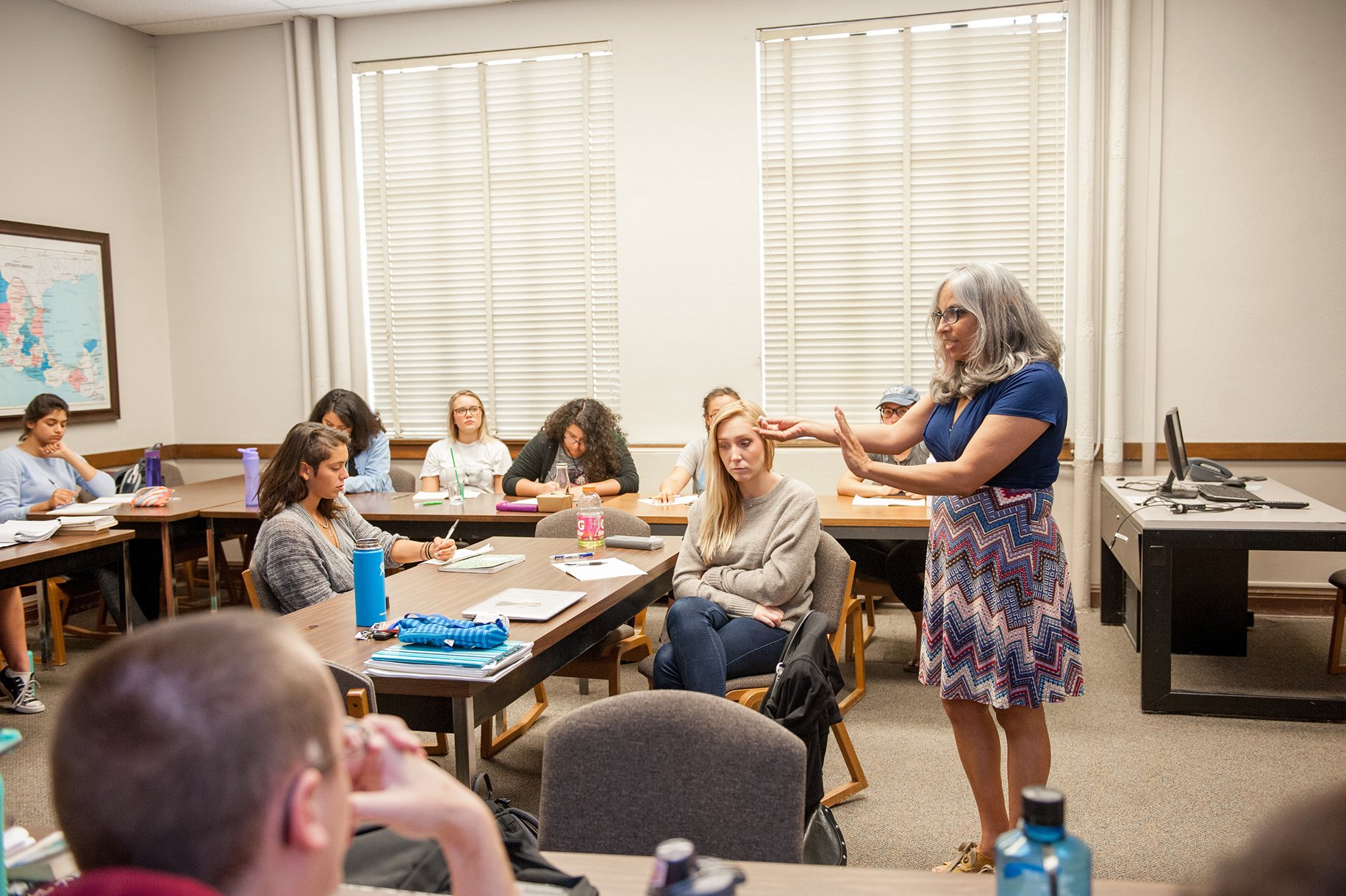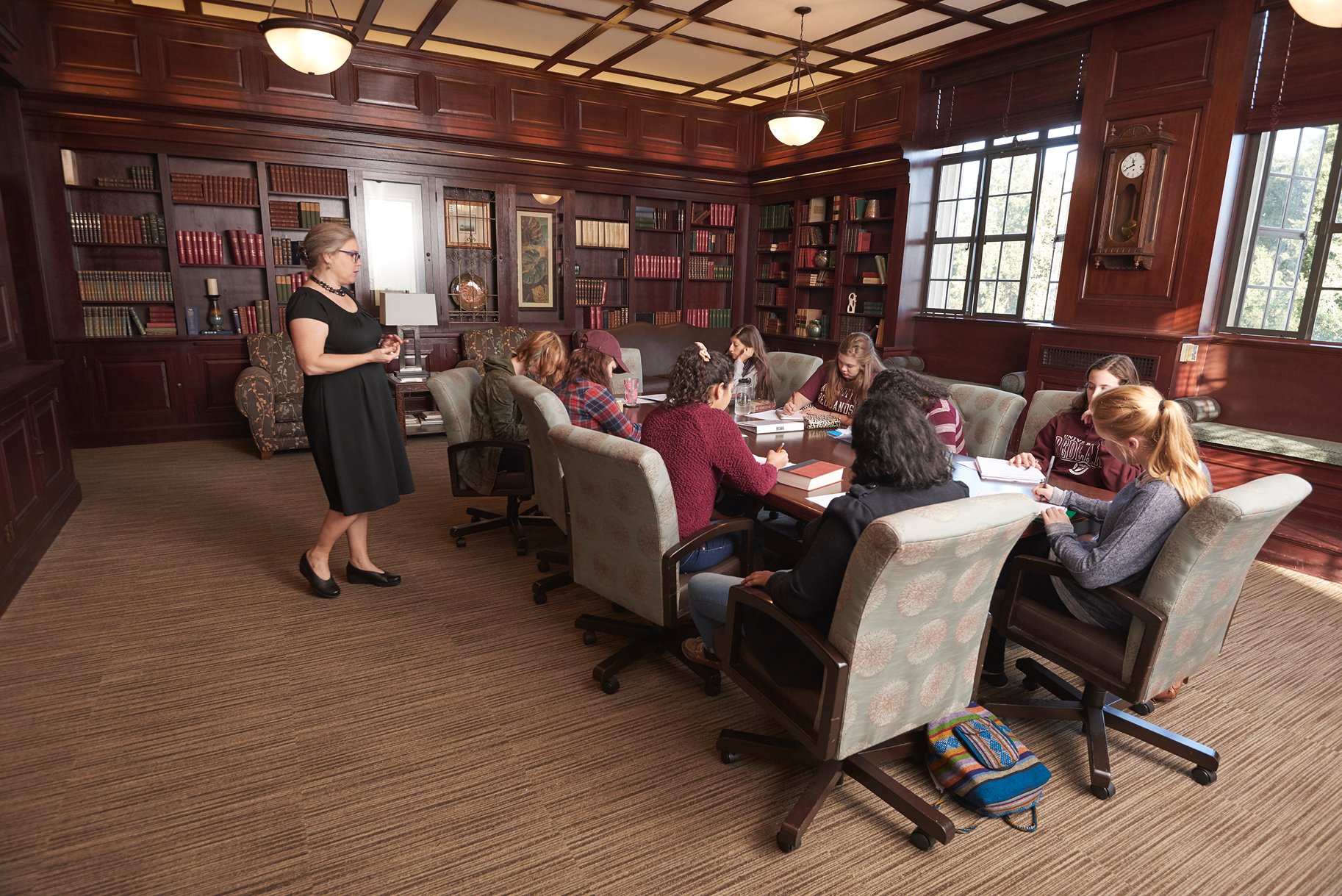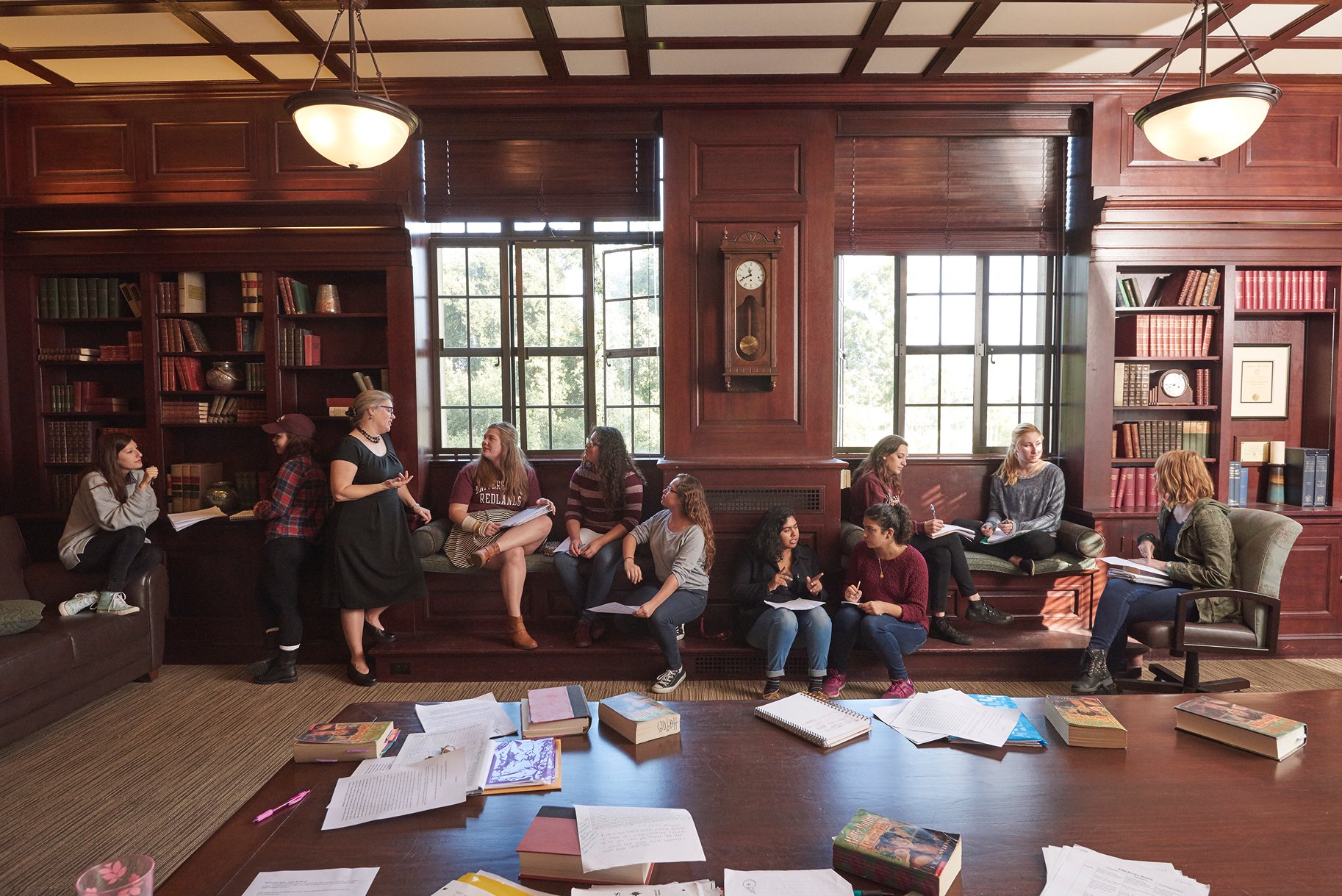


Kathryn Tucker
Associate Professor; Seiter Endowed Chair of Writing



The Writing Across the Curriculum program recognizes that everyone writes, and everyone deserves great writing support.
Take courses at multiple levels, on different topics, to build effective strategies for reading and writing. From business to biology, poetry to psychology, we offer writing instructive courses that teach writing integrated with other content. We also offer writing and reading focused courses to hone skills in specific areas.
Faculty teaching W courses commit to using class time for writing instruction, in addition to providing meaningful feedback on written work and opportunities to revise.
John and Linda Seiter Endowed Director of Writing: Since 2007, this endowment supports the director of writing across the curriculum. The Seiter Chair coordinates development, curriculum, and assessment of writing in the College of Arts and Sciences. They facilitate faculty development including the Seminar in Teaching Writing, direct writing placement for first-year students, supervise and support first year composition faculty, support faculty teaching writing with or without W designations on their courses, and support students in connecting reading and writing resources with their goals.
The Writing Advisory Committee supports direction of writing across the curriculum, providing perspectives from different areas of study.
Students complete three distinct writing requirements during their time at U of R, ensuring that graduates have plenty of experience with college-level writing and the course credit to show for it.
Each student’s reading and writing experiences are unique, and we strive to build on each student’s unique experiences. Incoming students take a survey about their experiences with the types of reading and writing they can expect to see in their first year with us, learn about our course options, then choose the courses for their first-year requirement that are right for them: their Writing Foundations pathway. The process considers dual enrollment credit, AP courses and exam credit, and IB courses and exam credit, as well as each student’s confidence in their current reading and writing processes.
The W indicates there are non-WF sections of the course.
Research Writing (WR) courses build on the practices in Writing Foundations by adding research strategies. Students learn to seek out and evaluate information from a variety of sources relevant to their course topic and area of study. Most students take a WR course in their second or third year, in an area related to their chosen area of study.
These courses build on foundational and research writing practices, guiding students into specialized discourses. These are the courses that teach “writing like a _______”—like a psychologist, like a historian, like a biologist, like an accountant, like an artist, etc. Most students take a WD course in their third or fourth year, in their major or in a related area.
For more information, please refer to the catalog descriptions available here.
Most Music students take writing courses related to their degrees. During their first year, they fulfill their Writing Foundations requirement through these courses:
Students may take any WR course; many choose MUS 300: History and Literature to 1750, or students may take any WD course; many choose MUS 307: World Music.
Johnston students chart their own writing curriculum. They may include W courses in their plans, or contract to practice reading and writing approaches in any course, such as creating a written project in place of a final exam or arranging regular meetings with their professor to discuss drafts.